Shisha Machine: Improving Efficiency in Tobacco Filling and Packaging

Modern shisha tobacco manufacturers need reliable equipment to maintain consistent packaging quality and meet production demands. A shisha machine helps automate essential packaging operations, including filling prepared tobacco into jars, cans, and bottles. By reducing repetitive manual tasks and improving filling consistency, automated machinery can help manufacturers streamline their production processes and prepare finished products for distribution.
What Is a Shisha Machine?
A shisha machine is specialized equipment used in the production, processing, or packaging of shisha tobacco, also known as hookah tobacco. Depending on its function, the equipment may prepare tobacco leaves, mix ingredients, fill containers, or package finished products.
A shisha tobacco filling machine is particularly useful during the final stages of production. It measures prepared tobacco and dispenses it into containers according to specified weight requirements. Because shisha tobacco often contains molasses and glycerin, its sticky texture can make conventional filling equipment difficult to operate. Specialized machinery is designed to handle these characteristics more effectively.
Key Benefits of Automated Shisha Machines
Automated equipment can offer several advantages for manufacturing facilities.
Consistent filling accuracy: Precision dosing systems help maintain uniform package weights and reduce product variation.
Improved productivity: Automated filling can process multiple containers efficiently, supporting higher production output.
Reduced labor requirements: Automation minimizes repetitive manual handling and allows employees to focus on monitoring and quality control.
Flexible packaging options: Suitable machines can fill different container types, including jars, cans, and glass bottles.
Faster product changeovers: Efficient cleaning and adjustment procedures can help manufacturers switch between flavors while reducing downtime.
The actual performance depends on the equipment model, product characteristics, container dimensions, and operating conditions.
How Does a Shisha Tobacco Filling Machine Work?
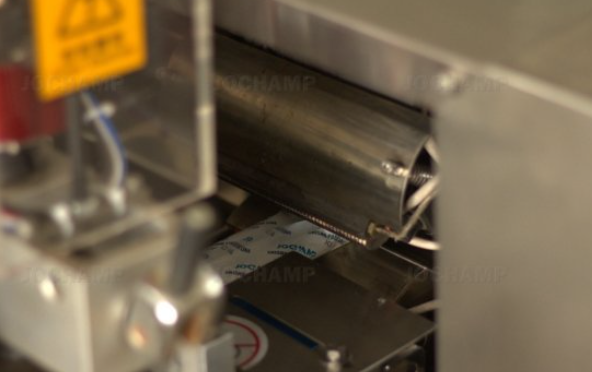
The filling process typically begins when prepared shisha tobacco enters the machine’s feeding system. A dosing mechanism measures the required quantity before transferring the tobacco into a container.
Depending on the system configuration, the filled containers may then move through capping, sealing, labeling, and other packaging stages. Automated controls coordinate the process and help maintain consistent operating parameters.
Shishapack’s published product information describes a filling machine designed for jars, cans, and bottles, with stated filling accuracy of approximately ±1% and production speeds of up to 40 containers per minute on the product page. Actual output may vary according to the configuration and operating conditions. <Cite refs={[“turn819812search0”]}/>
Routine cleaning, blade-free material handling checks, and preventive maintenance are important for keeping filling equipment operating reliably.
Applications in Shisha Tobacco Manufacturing
Shisha machines can support several stages of a tobacco production workflow. Cutting equipment prepares tobacco leaves, mixing machines combine the tobacco with ingredients such as molasses and glycerin, and filling equipment transfers the finished mixture into retail containers.
For smaller manufacturers, an automated filling machine can help standardize packaging without requiring extensive manual work. Larger facilities may integrate filling equipment with conveyors, capping systems, and labeling machinery to create a more coordinated production line.
The best configuration depends on the manufacturer’s output targets, product formulation, available factory space, and packaging requirements.
Choosing the Right Shisha Machine
Before purchasing equipment, manufacturers should evaluate filling capacity, weight accuracy, compatible container formats, and the characteristics of their tobacco mixture. These factors help determine whether a machine can meet production requirements.
Other considerations include:
- Automation level: Choose equipment that matches the size and complexity of the production operation.
- Ease of cleaning: Accessible components can simplify sanitation and flavor changeovers.
- Safety features: Protective systems and emergency stops help support safe operation.
- Maintenance support: Check the availability of spare parts, technical assistance, and operating guidance.
- Customization: Confirm whether the machine can be adapted to specific container sizes or existing