Precision Surface Treatment for Components With Different Cleaning Needs

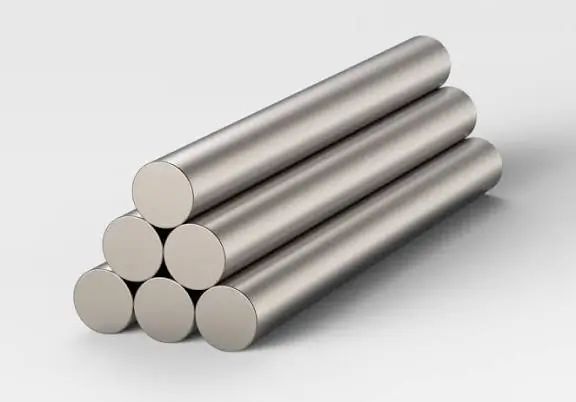
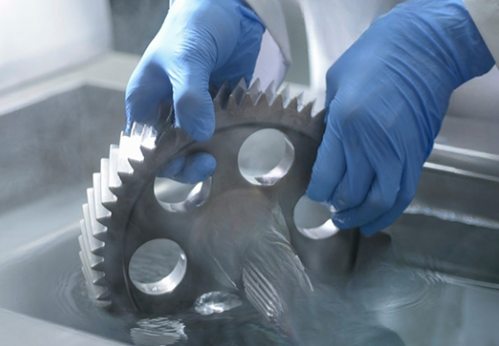
Industrial components vary considerably in size, material, geometry, and surface condition. A thick steel fixture may tolerate a different cleaning process from a thin metal component with a sensitive finish. For this reason, manufacturers increasingly evaluate technologies that allow them to manage contamination while controlling the effect on the underlying surface. Pulsed laser technology is one option for selected precision cleaning applications.
What Makes Surface Cleaning a Precision Task?
The purpose of industrial cleaning is not simply to make a component look better. A surface may need to meet requirements before welding, coating, bonding, restoration, or inspection. If cleaning removes too little contamination, the next production stage may be affected. If it removes too much material or alters the substrate, the component may require rework or become unsuitable for use.
The process must therefore balance contaminant removal with surface protection. Material identification, contamination analysis, and clear acceptance criteria should come before equipment selection.
Understanding Pulsed Laser Operation
Pulsed laser systems deliver energy in individual pulses rather than as a continuous output. The energy, pulse duration, repetition rate, scanning movement, and overlap between passes influence how the beam interacts with the surface.
This mode of operation can be useful in applications where controlled energy delivery is important. However, the result depends on the particular machine and material. A pulsed system is not automatically suitable for every delicate surface, nor does it guarantee damage-free cleaning.
Businesses comparing equipment can investigate the Clyertek pulse laser cleaning machine range as part of a broader assessment of pulse-based cleaning solutions.
Potential Industrial Applications
Cleaning selected metal components
Pulsed laser treatment may be evaluated for removing rust, oxidation, or certain unwanted surface layers from compatible metal parts. The process should be tested using the actual contaminant and substrate because the same settings may not produce the same results across different materials.
Preparing parts for finishing
Before painting, coating, or bonding, manufacturers may need to remove contamination that could interfere with adhesion. The cleaning method should be validated against the requirements of the finishing material.
Where surface chemistry or microscopic residue matters, additional testing may be needed beyond visual inspection.
Restoration and maintenance
Maintenance teams often work with components that have accumulated contamination over long periods. A controlled trial can help determine whether pulsed laser cleaning can treat the required area while preserving the component’s functional surfaces.
Parts with thin walls, precision dimensions, or heat-sensitive features deserve particular care during process validation.
Selecting the Right Equipment
Equipment selection should begin with a clear description of the application. Record the material, dimensions, contaminant, part condition, production volume, and required final surface. These details help determine whether a pulsed system is a realistic option.
Other factors to evaluate include:
- Available power and pulse-control settings.
- Beam delivery and scanning options.
- Ease of positioning the workpiece.
- Equipment weight and portability.
- Cooling and maintenance requirements.
- Safety features and installation needs.
- Supplier training and technical support.
Request a demonstration on a representative sample whenever possible. The demonstration should establish the final surface condition and processing time, not merely show that visible contamination can be removed.
Controlling Heat and Protecting the Substrate
Although laser cleaning is a surface-treatment process, it still involves energy transfer and can affect the material being treated. Incorrect settings, excessive dwell time, or unsuitable scanning movement may cause unwanted changes.
Begin with approved parameters and test on a non-critical area or spare component. Inspect the result for residual contamination, discoloration, surface damage, or changes that could affect subsequent operations.
For high-value parts, document the trial and obtain approval from the relevant quality or engineering team before using the process on production components.
Safety Requirements for Pulsed Systems
Pulsed operation does not eliminate laser hazards. Direct or reflected radiation can cause serious injury, and removed materials may create fumes or airborne particles. The required controls depend on the system, wavelength, material, and work environment.
A suitable safety plan may include a laser-rated enclosure, interlocks, warning indicators, controlled access, appropriate protective eyewear, and local exhaust ventilation. Operators should be trained to follow the equipment instructions and stop work if protective controls fail.
The composition of coatings and residues should be considered before cleaning. Ventilation and filtration should be appropriate for the contaminants generated by the process.
Building a Reliable Operating Procedure
Once testing confirms that the process is suitable, document the approved settings and inspection method. Include instructions for workpiece preparation, positioning, cleaning passes, quality checks, shutdown, and routine maintenance.
Track the number of components accepted on first inspection and note any rework. These records help identify trends and support process improvement.
A consistent procedure also helps new operators learn the process and reduces dependence on informal knowledge held by a single experienced worker.
Frequently Asked Questions
1. What is the difference between pulsed and continuous laser cleaning?
Pulsed systems deliver energy in separate pulses, while continuous systems deliver energy continuously. Their suitability depends on the material, contaminant, required finish, and equipment configuration.
2. Can pulsed laser cleaning be used on delicate parts?
Potentially, but suitability must be demonstrated through testing. The component’s material, thickness, geometry, and sensitivity determine whether the process is appropriate.
3. Does pulsed laser cleaning require protective equipment?
Yes. Appropriate engineering controls and personal protective equipment are determined by a risk assessment and the manufacturer’s instructions. Pulsed operation should never be assumed to be inherently safe.
See also: Uprite: Reliable Managed IT Houston Services for Local Businesses
Conclusion
Precision cleaning requires control over both contamination removal and the condition of the underlying material. Pulsed laser technology can be considered for selected industrial tasks, provided that the equipment is matched to the application and its performance is verified through testing. With suitable process documentation, quality checks, and safety measures, manufacturers can determine whether pulse-based cleaning is an effective addition to their surface-preparation operations.