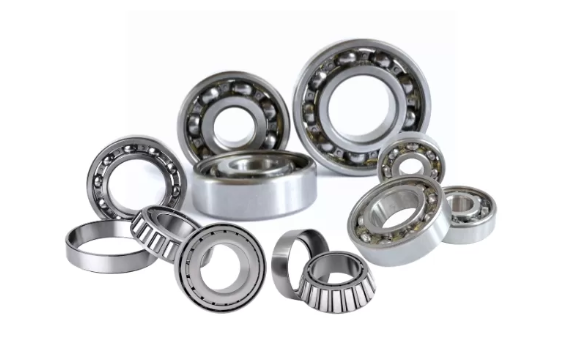
Understanding Materials Used in Precision Bearing Components

Precision machinery depends on components that can operate reliably under repeated movement, pressure, and changing loads. Among the many small parts used in mechanical systems, rolling elements play an especially important role. Their surface quality, dimensional accuracy, hardness, and resistance to wear can directly influence the performance of the finished bearing assembly.
For manufacturers and engineers, selecting suitable materials for these components is therefore an important technical decision. Different applications may require different combinations of strength, durability, corrosion resistance, and dimensional stability. Understanding these characteristics can make it easier to evaluate components for industrial applications.
One commonly used material category is bearing steel. Its combination of hardness, strength, and resistance to repeated mechanical stress makes it suitable for precision rolling components.
Why Material Selection Matters
Bearings operate under demanding conditions. Rolling elements may come into contact with raceways thousands or even millions of times during their service life. Even small imperfections can affect movement, noise, friction, and durability.
Material selection helps determine how a component responds to these operating conditions. A suitable material should be able to withstand repeated contact stresses without excessive deformation or premature surface damage.
Manufacturers therefore consider factors such as:
- Hardness
- Tensile and fatigue strength
- Wear resistance
- Dimensional stability
- Surface finish
- Corrosion resistance
- Manufacturing consistency
The right combination depends on the application and operating environment.
See also: Real-Life Applications of Artificial Intelligence
Characteristics of Bearing Steel
Bearing steel is designed for demanding mechanical applications where components must withstand repeated loading. Its properties can make it suitable for rolling elements, raceways, and other precision parts.
High hardness is particularly important because rolling components experience concentrated contact forces. A sufficiently hard surface can help reduce deformation and maintain dimensional accuracy during operation.
At the same time, hardness alone is not enough. The material must also have appropriate toughness and fatigue resistance. A component that is extremely hard but unsuitable for its operating conditions may still experience premature failure.
For this reason, material composition and heat treatment are both important considerations.
The Role of Heat Treatment
Heat treatment can significantly influence the mechanical properties of steel components. Manufacturers use controlled heating and cooling processes to achieve desired combinations of hardness, strength, and structural stability.
The exact process depends on the material grade and component requirements. Proper treatment can improve resistance to repeated contact stresses while helping maintain the dimensional characteristics required for precision applications.
Quality control is important throughout this stage. Variations in treatment conditions can affect the finished properties of a component, which is why controlled manufacturing processes are essential for precision parts.
Surface Finish and Dimensional Accuracy
A bearing component may have excellent material properties but still perform poorly if its dimensions or surface finish are inconsistent.
Rolling surfaces need to be manufactured with a high level of precision. Surface irregularities can influence friction, vibration, noise, and contact between components.
Dimensional accuracy is equally important. Small differences in diameter or roundness can affect how rolling elements distribute loads inside an assembly.
Modern manufacturing therefore combines material engineering with precision grinding, polishing, inspection, and measurement.
Importance of Roundness
For spherical rolling elements, roundness is a critical characteristic. An accurately manufactured sphere can maintain more predictable contact with the surrounding raceway.
Poor roundness can create uneven loading and may contribute to vibration or inconsistent movement. In applications involving high rotational speeds, these issues can become even more noticeable.
Manufacturers may use specialized measurement systems to verify diameter, roundness, surface quality, and other characteristics before components are approved for production.
Applications Across Different Industries
Precision bearing components are used across a wide range of industries.
Industrial machinery may rely on bearings in motors, pumps, gearboxes, conveyors, and production equipment. Automotive systems use bearing assemblies in numerous mechanical applications, while electrical equipment may require small precision components for motors and rotating mechanisms.
Other applications can include:
- Agricultural machinery
- Industrial automation
- Machine tools
- Robotics
- Material-handling equipment
- Aerospace-related systems
- Household appliances
- Medical equipment
Each application can place different demands on the bearing assembly. Load, speed, temperature, contamination, and expected service life all need to be considered.
Selecting the Appropriate Component
Engineers should evaluate more than material type when selecting precision rolling components. The required diameter, tolerance, grade, surface finish, hardness, and operating conditions should all be considered.
The environment can also influence the selection. For example, applications exposed to moisture or corrosive substances may require additional corrosion-resistant considerations.
Similarly, high-speed machinery may place greater emphasis on dimensional accuracy and surface quality.
A good selection process begins by identifying the actual operating conditions rather than choosing a component based solely on general specifications.
Quality Control in Manufacturing
Quality control is essential when producing precision components. Manufacturers typically need to monitor raw materials, heat treatment, machining, finishing, cleaning, and final inspection.
Inspection may include measurements of:
- Diameter
- Roundness
- Surface roughness
- Hardness
- Material composition
- Dimensional tolerance
Consistent inspection helps identify defects before components enter the final assembly.
For buyers, working with manufacturers that maintain documented quality-control procedures can provide greater confidence in component consistency.
Storage and Handling
Even precisely manufactured components can be affected by poor storage and handling.
Steel components should be protected from contamination, moisture, and unnecessary physical impact. Clean packaging can help prevent surface damage and reduce the risk of corrosion during transportation and storage.
Handling procedures should also prevent scratches and contamination. Precision surfaces can be sensitive to dirt and improper contact, especially before assembly.
Keeping components in their original protective packaging until they are needed can be a practical approach for many manufacturing environments.
Balancing Performance and Cost
Cost is an important consideration in industrial procurement, but the cheapest component may not always provide the best overall value.
A lower-quality component may result in increased maintenance, shorter service life, unexpected downtime, or replacement costs. On the other hand, selecting a premium specification when it is unnecessary can increase production costs without providing meaningful benefits.
The better approach is to match component specifications to actual application requirements.
For manufacturers evaluating bearing steel balls factors such as material quality, dimensional precision, surface finish, consistency, and application suitability should be considered together.
Questions to Consider Before Purchasing
Before placing an order, engineers and procurement teams can prepare a basic specification sheet. This may include the required diameter, tolerance, material grade, hardness range, surface requirements, quantity, and intended application.
It is also useful to communicate the operating environment. Information about load, speed, temperature, and exposure to moisture or chemicals can help suppliers recommend an appropriate specification.
Clear technical communication reduces the possibility of receiving components that do not meet the needs of the final application.
FAQs
1. Why is bearing steel commonly used for rolling components?
Bearing steel can provide a useful combination of hardness, strength, wear resistance, and fatigue performance for applications involving repeated rolling contact.
2. Why is roundness important?
Accurate roundness helps support consistent contact and load distribution. Poor roundness can contribute to vibration, uneven loading, and reduced performance.
3. What should buyers consider when selecting precision rolling components?
Important factors include material, diameter, tolerance, hardness, surface finish, roundness, operating conditions, quality control, and the intended application.
Conclusion
The performance of a bearing assembly depends heavily on the quality and suitability of its individual components. Material selection, heat treatment, surface finishing, dimensional accuracy, and inspection all contribute to reliable operation.
For engineers and manufacturers, evaluating these factors together provides a stronger basis for selecting precision components. By matching material and manufacturing specifications to the actual operating environment, businesses can support equipment reliability while making more informed purchasing decisions.