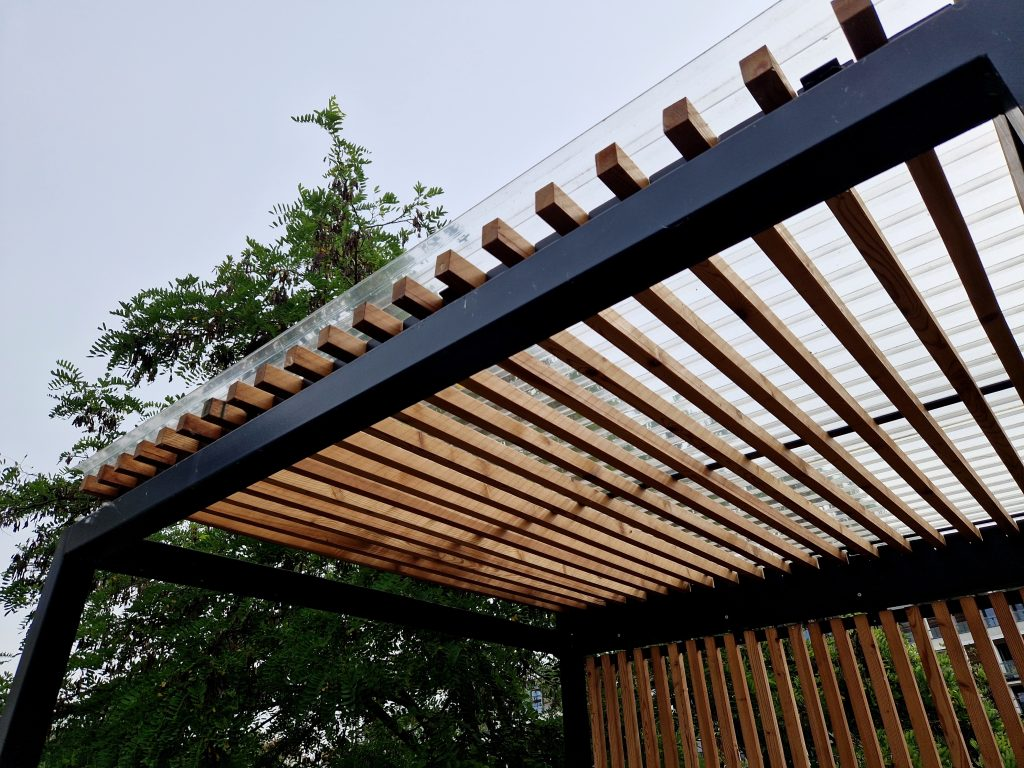
How to Choose the Right Pergola Installation Services for Your Home

A pergola can make an ordinary backyard more comfortable, provide shade for outdoor seating, and create a welcoming space for family gatherings. However, the quality of the finished structure depends on careful planning, suitable materials, and proper assembly. Choosing reliable pergola installation services helps homeowners avoid common problems such as unstable supports, poor alignment, and unexpected installation costs. Before hiring a professional, consider their experience, service details, material options, and approach to project planning. Companies such as We Install It can be considered when comparing installation assistance for residential outdoor structures. Knowing what to look for makes it easier to select a service that fits your property, budget, and intended use.
Start With Your Outdoor Space and Its Purpose
Before contacting an installer, decide how you plan to use your pergola. A structure designed for outdoor dining may need different dimensions and placement than one intended for a quiet seating area or a space beside a swimming pool. Measure the available area and consider how the pergola will fit with your home, patio, garden, and existing walkways. Leave enough room for chairs, tables, and movement around the structure. Also, consider doors and windows so the pergola does not block access, natural light, or important views.
Think about these details before requesting estimates:
- Main purpose: Decide whether the pergola will provide shade, support outdoor dining, or define a relaxation area.
- Available space: Check the dimensions of the installation area and allow room for furniture.
- Sun exposure: Observe how sunlight moves across the yard during the day.
- Ground conditions: Identify whether the structure will sit on concrete, pavers, a deck, or soil.
- Future additions: Consider outdoor lighting, privacy screens, or other accessories you may want later.
Clear plans help an installer recommend a suitable layout and identify potential challenges before work begins.
Check the Installer’s Experience and Work Quality
Experience matters because pergola installation involves more than putting pieces together. The installer must follow the manufacturer’s instructions, align the frame correctly, secure the supports, and account for the conditions at the installation site. Ask how much experience the company has with the type of pergola you want. Some professionals mainly assemble freestanding kits, while others handle attached structures or more involved outdoor projects. Choose a service that matches the design and complexity of your installation.
Request examples of previous projects or photographs of completed work. Look closely at the alignment of the posts, the spacing between roof slats, and the overall finish. You can also ask for customer references or read independent reviews to understand how the company communicates and handles problems. A reliable installer should explain the work clearly, answer questions without rushing you, and identify any limitations before providing a final estimate. Avoid choosing a contractor based only on a low price or a promise of unusually quick completion.
Compare Materials and Pergola Designs
The material you choose affects the appearance, maintenance needs, and expected lifespan of your pergola. A professional installer should explain the available options and help you understand which designs suit your outdoor environment.
Wood Pergolas
Wood offers a natural appearance that works well with many home styles. Cedar and other suitable outdoor woods are common choices, although the best option depends on availability, climate, and budget. Wood may require periodic sealing, staining, or painting to protect it from moisture and sunlight.
Aluminum Pergolas
Aluminum is generally lightweight and resistant to rust. It often requires less routine maintenance than wood and is available in different colors and finishes. Check the quality of the frame and its protective coating before making a decision.
Vinyl Pergolas
Vinyl is another option for homeowners who prefer relatively simple upkeep. It does not require regular painting, but product quality and exposure to harsh weather can affect its appearance over time.
Ask the installer to explain which materials are included in the quoted price and whether additional hardware, anchoring equipment, or accessories are required. A clear comparison will help you choose a pergola that suits your property without paying for features you do not need.
Understand the Full Installation Cost
Installation prices can vary depending on the pergola’s size, material, design, location, and assembly requirements. The condition of the installation surface can also affect the final cost. For example, preparing a site or adding suitable anchors may require work beyond standard kit assembly. Request a written estimate that separates the main costs and explains what the service includes. Check whether the quote covers labor, assembly, basic site preparation, hardware, cleanup, and any additional work discussed during the assessment.
Before approving the estimate, ask:
- Is the quoted price fixed or subject to changes?
- Are travel charges or additional labor fees possible?
- Does the price include anchoring the structure?
- Will extra charges apply if the ground or mounting surface needs preparation?
- What happens if missing parts or damaged components are discovered?
Comparing written estimates from several providers can help you understand the market rate. Make sure you compare the same scope of work rather than selecting the cheapest offer without checking the details.
Confirm Permits, Safety, and Site Requirements
Some pergola projects may require permits or approval under local building rules, homeowners’ association requirements, or property restrictions. Requirements can differ between cities and counties, so check the rules that apply to your address before scheduling installation. An attached pergola may need different considerations from a freestanding structure. Its connection to the house, the location of underground utilities, drainage, and local wind conditions can all affect the installation plan.
Ask the service provider which responsibilities fall within their scope. Do not assume that standard assembly automatically includes permit applications, structural engineering, or site preparation. The installation should follow the manufacturer’s specifications and applicable local requirements. Posts and supports must be secured appropriately for the structure and surface. In areas exposed to strong winds or severe weather, suitable anchoring is particularly important. A professional who raises safety concerns before starting work is generally preferable to one who overlooks site conditions to finish the job quickly.
Review the Service Details Before Booking
Good communication can make a home improvement project easier to manage. Before hiring an installer, confirm the expected start date, estimated completion time, payment terms, and process for handling delays. Ask whether the company provides a written service agreement and whether its work is covered by a workmanship warranty. If the pergola kit comes with a manufacturer’s warranty, find out whether incorrect assembly could affect that coverage.
We Install It is one option homeowners can review when comparing residential installation and assembly services. As with any provider, check the specific service details, availability, and terms for your project before making a booking. Clear expectations help prevent disagreements and give you a better understanding of what will happen on installation day.
Prepare Your Property for Installation Day
A little preparation can help the installer work safely and efficiently. Clear the installation area of furniture, planters, toys, and other items that may obstruct access. Keep pets and children away from the work zone while tools and structural components are being handled. Make sure the installer can reach the yard or patio without unnecessary obstacles. If the pergola kit has already been delivered, keep the components together and check the packaging for visible damage before assembly.
It is also useful to confirm the final placement before work begins. Check the proposed position against doors, windows, walkways, and nearby landscaping. Small adjustments made early can prevent frustration after the structure is assembled. Once installation is complete, inspect the pergola with the installer. Check the frame alignment, connections, anchoring, and finish. Ask for guidance on routine cleaning, maintenance, and any restrictions on use during severe weather.
Make a Choice That Suits Your Home
Choosing a pergola installer requires more than comparing prices. The right service should understand your plans, explain the installation process, use appropriate methods, and provide clear information about costs and responsibilities. Taking time to review experience, materials, safety requirements, and service terms can help you make a confident decision. Contact us today to discuss your pergola installation needs, review your outdoor space, and find practical installation support that fits your home, preferred design, and budget. A well-planned project can help you enjoy your outdoor area with greater comfort and confidence.