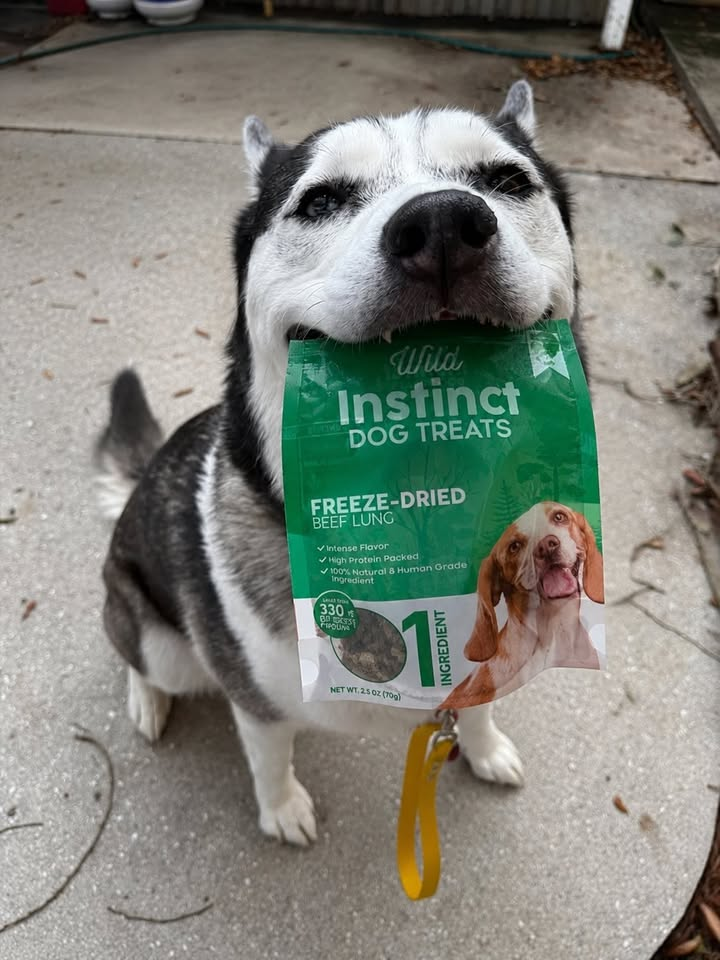
How to Choose Organic Beef Lung for Dogs as a Healthy Treat

Dog treats are part of many everyday routines, from rewarding good behavior to making training sessions more enjoyable. Simple animal-based treats can be a useful option for pet parents who prefer recognizable ingredients. Wild Instinct Pet offers treats made with a focus on straightforward animal ingredients, which can suit owners who want fewer unnecessary additions. Organic beef lung for dogs is another option worth considering for its light texture and natural meat flavor. Still, choosing a suitable treat involves more than looking at the word “organic.” The ingredient source, processing method, texture, freshness, and serving size all deserve attention before adding a new treat to your dog’s routine.
Beef Lung as a Simple Dog Treat
Beef lung is an organ meat with a naturally light structure. Once it is properly dried or freeze-dried, the meat becomes lightweight and crisp. Many dogs enjoy the texture, while pet parents may appreciate how easily a piece can be broken into smaller portions.
The strong meaty aroma can also make beef lung useful during training. A small piece can serve as a reward after a dog follows a command, responds to recall, or shows a desired behavior. This gives pet parents a practical way to use a treat without making every reward a large snack.
Beef lung can also add some variety to a dog’s usual treat rotation. Like any treat, however, it should complement a complete and balanced diet rather than replace regular dog food.
Organic Sourcing and Ingredient Quality
Organic sourcing can be an important consideration for pet parents who pay close attention to how animal ingredients are produced. In the United States, certified organic livestock production follows USDA requirements covering areas such as feed and certain production practices. The term “organic” should still be considered alongside the rest of the product information. A clear label can tell you more about what you are actually buying than a single claim on the front of the package.
Look for information about:
- Organic certification or supporting claims
- The source of the beef
- The full ingredient list
- Processing methods
- Storage requirements
- Feeding instructions
A product that clearly explains its ingredients and preparation gives pet parents useful information for making a suitable choice.
Processing and Texture
The way beef lung is processed affects its texture, moisture level, storage, and overall use. Fresh, frozen, dehydrated, and freeze-dried products can have very different characteristics. Dried and freeze-dried beef lung is generally lightweight and easy to portion. This can make it convenient for training because larger pieces can often be broken into several smaller rewards. The right texture also depends on the dog. Some dogs chew treats carefully, while others tend to swallow them quickly.
A treat should match your dog’s eating habits and physical needs. Smaller dogs may need smaller pieces, while puppies and older dogs may benefit from a softer texture. Dogs that gulp their food should be supervised when trying a new treat.
A Short Ingredient List Keeps Things Clear
A simple ingredient list makes it easier to understand what a dog is receiving. Some treats contain several meat sources, grains, oils, flavorings, or other additions. These ingredients are not automatically unsuitable, but pet parents who prefer a simple feeding routine may find single-ingredient options easier to evaluate.
Single-ingredient treats can also be useful when introducing a new food gradually. If your dog develops digestive discomfort after trying a new product, a shorter ingredient list makes it easier to identify what was introduced.
Wild Instinct Pet uses recognizable animal ingredients in its treat range, giving pet parents an example of a straightforward approach to dog treats. Reading the complete label is still the best way to understand any product before feeding it.
Portion Size and Feeding Habits
Even a quality treat should be given in reasonable amounts. Treats are meant to complement a dog’s normal diet, so they should not make up a large portion of daily food intake.
The amount a dog can have depends on factors such as size, age, activity level, existing diet, and individual needs. Breaking a larger piece into smaller rewards can be especially helpful during training because it allows several rewards without giving too much at once.
When introducing beef lung for the first time, start with a small amount and observe your dog’s response. Dogs with allergies, dietary restrictions, or health conditions may need individual guidance from a veterinarian before trying a new treat.
Beef Lung for Training and Rewards
Training is one of the easiest ways to make good use of small meat-based treats. Dogs often respond well to treats with a noticeable smell and flavor, and beef lung can provide that type of reward. A piece can be offered after a dog performs a command or displays a behavior you want to encourage. For longer training sessions, breaking the treat into tiny pieces can keep the rewards frequent while limiting the total amount fed.
Some common uses include:
- Basic obedience training
- Recall practice
- Leash training
- Crate training
- Rewarding calm behavior
- Enrichment games
The goal is not to give the largest possible reward. A small, appealing piece can be enough to reinforce the behavior.
Storage and Freshness
Proper storage helps maintain the quality of dried or freeze-dried treats. Each product can have different storage requirements, so the package instructions should be followed rather than assuming every treat can be stored in the same way.
Keep the package properly sealed after opening and store it according to the manufacturer’s directions. Moisture can affect the texture of dried products, while unsuitable storage conditions can affect freshness.It is also useful to check the packaging before purchasing. Clear information about the product’s shelf life, storage, and handling gives pet parents a better idea of how to care for the treat after opening.
Choosing a Treat That Fits Your Dog
The best treat choice depends partly on the individual dog. A treat that works well for one pet may not suit another because dogs differ in size, age, chewing habits, preferences, and dietary needs. For organic beef lung for dogs, start by checking the sourcing claim and ingredient list. Then consider how the product has been processed and whether its texture is appropriate for your dog. Feeding instructions, storage information, and nutritional details can help you decide how the treat should fit into the daily routine.
Wild Instinct Pet takes a simple approach to animal-based treats, which can appeal to pet parents who prefer recognizable ingredients and straightforward product information. Choosing treats this way keeps the focus on what is actually inside the package and how the product fits your dog’s needs.
Making Treat Time More Practical
A useful dog treat does not need a complicated recipe. A clearly labeled animal-based product with an appropriate texture can work for training, rewards, or occasional snacking. Paying attention to sourcing, processing, ingredients, and portions can make the selection process much easier. Wild Instinct Pet offers animal-based treat options that can fit into different parts of a dog’s routine. For pet parents considering organic beef lung for dogs, reading the label carefully and starting with sensible portions can help make treat time a simple part of everyday care.