Precision Brass Parts: Enhancing Accuracy and Efficiency in Manufacturing

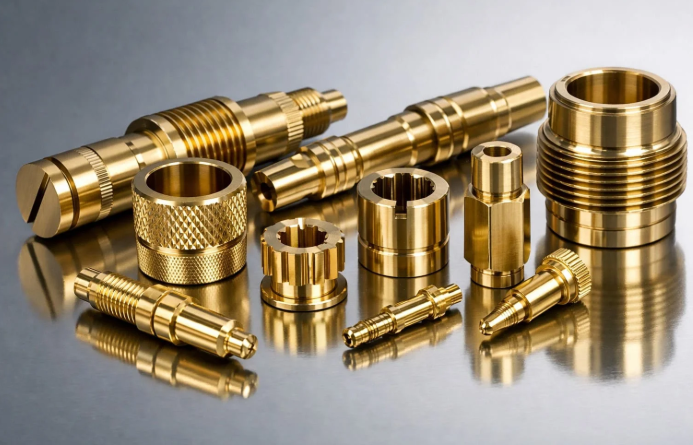
Precision metal components play an important role in modern industrial production, where accuracy, durability, and consistent performance are essential. Precision brass parts are widely used in electrical equipment, automotive systems, electronics, and industrial machinery because brass offers a useful combination of electrical conductivity, machinability, and corrosion resistance. With suitable manufacturing methods and quality controls, these components can be produced to meet specific design requirements across a wide range of applications.
Understanding Precision Brass Components
Brass is an alloy primarily made from copper and zinc. Different brass grades offer different combinations of strength, formability, conductivity, and corrosion resistance, making material selection an important step in component manufacturing.
Precision brass parts can be produced using several techniques, including metal stamping, machining, and forming. The most appropriate method depends on the component’s geometry, material thickness, required tolerances, and expected production volume.
For example, stamping can be suitable for producing thin, repeatable components such as electrical contacts, terminals, clips, and brackets. Specialized dies help shape the material into the required design while supporting consistent production across multiple batches.
Benefits of Using Brass in Precision Manufacturing
Brass offers several advantages that make it a practical material for many industrial applications.
Electrical conductivity: Brass conducts electricity and is commonly considered for terminals, connectors, and electrical contact components.
Machinability: Many brass alloys can be machined efficiently, helping manufacturers produce components with detailed features and accurate dimensions.
Corrosion resistance: Brass can resist corrosion in many environments, although its performance depends on the specific alloy and operating conditions.
Formability: Suitable brass grades can be shaped into various designs using stamping and forming processes.
Manufacturing consistency: Appropriate tooling, process control, and inspection help maintain repeatable dimensions and product quality.
These properties make brass useful for specialized components, but the selected alloy should always match the application’s technical requirements.
Common Applications of Precision Brass Parts
Electrical and Electronics Industry
Electrical systems often use brass terminals, connectors, contact components, and conductive fittings. The material’s electrical properties and formability can support the production of components designed for reliable connections and accurate assembly.
Automotive Manufacturing
Automotive applications may include electrical terminals, wiring connectors, and specialized hardware. Components must meet the dimensions and performance specifications established for their particular assemblies.
Industrial Equipment
Industrial machinery and instruments may incorporate brass fittings, small mechanical components, and customized metal parts. Depending on the application, manufacturers consider mechanical strength, environmental exposure, and expected service conditions when choosing the material.
Consumer Products
Brass components are also used in selected household products, hardware, and electronic devices. Precision manufacturing helps produce parts that fit correctly and maintain a consistent appearance and function.
The Importance of Quality Control
Reliable precision brass manufacturing begins with clear technical specifications. Engineers and suppliers need to understand the component’s dimensions, tolerances, material grade, surface requirements, and intended operating environment.
During production, inspection procedures can include dimensional measurements, visual checks, and material verification. Depending on the component, additional testing may be required to confirm fit, function, or electrical performance.
Prototype samples can help identify design issues before full-scale production begins. Reviewing samples and approving specifications early can reduce rework and support smoother manufacturing operations.
Choosing the Right Brass Parts Supplier
Businesses evaluating a supplier should consider its material knowledge, production capabilities, tooling experience, and quality assurance procedures. It is also useful to ask whether the manufacturer can support custom designs, prototype development, and repeat production orders.
Providing detailed drawings, estimated quantities, and finishing requirements helps the supplier assess the project accurately. Clear communication about delivery schedules and inspection criteria can also support a dependable working relationship.
See also: Uprite: Reliable Managed IT Houston Services for Local Businesses
Explore Precision Brass Parts at HSK Precision
Businesses seeking customized copper and brass components can visit HSK Precision’s copper product category to explore its available product offerings.
By selecting suitable brass alloys, applying appropriate manufacturing processes, and maintaining consistent quality controls, companies can obtain precision components that support dependable assembly and long-term product performance.