A Practical Introduction to Geotextile Materials and Their Uses

Anyone researching landscaping, construction, or civil engineering projects eventually encounters the term geotextile, a category of engineered fabric material that serves numerous practical functions across a surprisingly wide range of applications beyond what casual awareness might suggest.
Defining This Broad Material Category
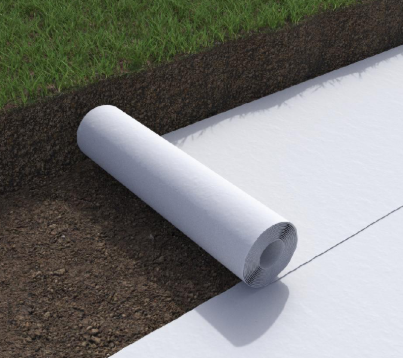
Geotextile refers broadly to permeable fabric materials engineered for use in contact with soil, designed to perform functions like separation, filtration, drainage, reinforcement, or erosion control depending on the specific product type and application it’s deployed for within a given project.
The Range of Applications Worth Understanding
From simple residential landscaping weed barriers to substantial civil engineering applications like road construction reinforcement or erosion control on major infrastructure projects, geotextile materials serve genuinely diverse purposes, making it worth understanding which specific type and application suits a given project’s actual needs.
See also: Real-Life Applications of Artificial Intelligence
Woven Versus Non-Woven Construction Differences
Manufacturing method significantly affects a geotextile’s performance characteristics, with woven varieties generally offering higher tensile strength suited to reinforcement applications, while non-woven options typically provide better filtration and water flow characteristics suited to drainage or separation functions.
How Material Weight Affects Performance
Geotextile products are often specified by weight, measured in ounces per square yard or similar units, with heavier materials generally offering greater durability and strength at the cost of somewhat reduced water permeability compared to lighter-weight alternatives.
For readers seeking a deeper understanding of specific product applications, this resource on geotextile materials for landscaping covers practical selection considerations in more detail.
Matching Material Type to Project Requirements
Successful geotextile application depends heavily on selecting the right material type and specification for a given project’s specific requirements, since a product suited to residential landscaping weed control differs considerably from what a road construction reinforcement application would require.
Installation Considerations Across Applications
While specific installation techniques vary by application, most geotextile projects share common principles around proper ground preparation, adequate overlap between fabric sections, and appropriate securing to ensure the material performs its intended function reliably over time.
Final Thoughts
Understanding geotextile as a broad material category, with meaningful variation in construction type and specification suited to different applications, helps both homeowners and professionals select and apply the right product for their specific project needs.
Frequently Asked Questions
What’s the main difference between woven and non-woven geotextile?
Woven varieties generally offer higher tensile strength for reinforcement applications, while non-woven options typically provide better filtration and water flow characteristics.
How is geotextile material weight typically measured?
Usually in ounces per square yard, with heavier materials generally offering greater durability at some cost to water permeability.
Does the same geotextile product work for both landscaping and construction applications?
Not typically, since different applications call for different material specifications suited to their specific functional requirements.