
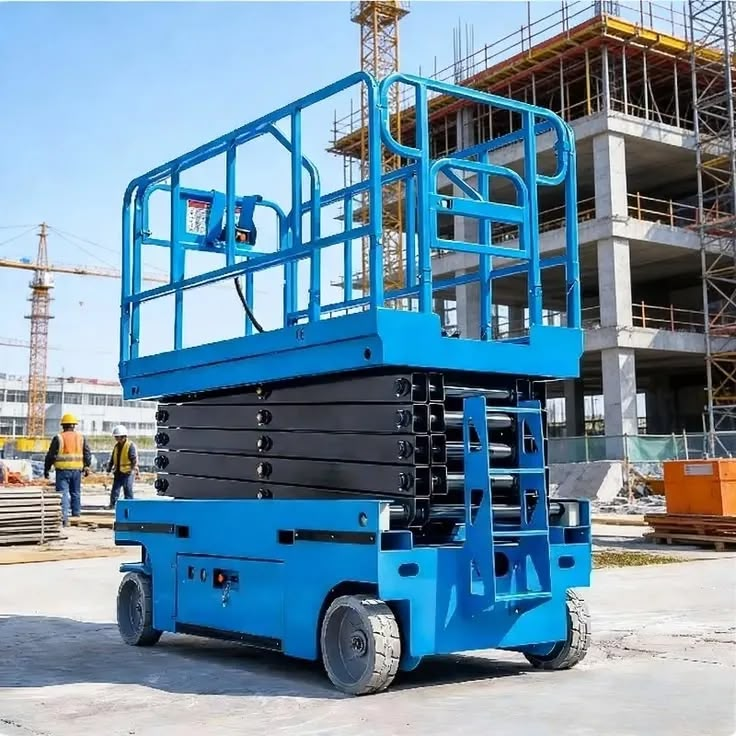
How to Choose Reliable Hydraulic Scissor Lift Manufacturers

Choosing lifting equipment for a warehouse, factory, workshop, or construction environment requires more than comparing prices. The manufacturer behind the equipment can influence its configuration, quality, customization options, documentation, and long-term support. For businesses evaluating hydraulic scissor lift manufacturers, understanding what to check before requesting a quotation can make the purchasing process more practical. A well-defined evaluation process also helps buyers identify equipment that matches their actual lifting requirements rather than selecting a machine based only on general specifications.
Start With the Lifting Requirement
The first step is to define how the lift will actually be used. Buyers should identify the required lifting capacity, platform dimensions, lifting height, frequency of operation, and working environment before contacting manufacturers. These details give suppliers enough information to recommend an appropriate configuration.
For example, a lift intended for moving materials between warehouse levels may require different characteristics from one used as a production-line work platform. Outdoor installations may also require different considerations from indoor applications, particularly regarding environmental exposure and operating conditions.
See also: Merging Technology and Human Expertise in US Higher Education
Examine Manufacturing Capabilities
A reliable manufacturer should be able to explain how its equipment is designed, manufactured, assembled, and tested. Buyers can ask about production facilities, engineering capabilities, quality-control procedures, and experience with similar lifting applications.
This becomes particularly important when the project requires a customized platform. Standard equipment may not always provide the required dimensions, capacity, or installation arrangement. A manufacturer with established engineering capabilities may be better positioned to develop a configuration around the site’s requirements.
Compare More Than Load Capacity
Load capacity is an important specification, but it should not be considered in isolation. Platform size, lifting height, closed height, operating speed, hydraulic configuration, and installation requirements can all affect whether a scissor lift is appropriate.
Buyers should also consider the type of material being handled. A platform carrying machinery or large components may need a different surface arrangement and dimensions than one primarily used for smaller goods. Providing the manufacturer with accurate application information can help avoid selecting equipment that is technically capable but poorly suited to the working process.
Consider Customization Requirements
Customization can become important when standard equipment does not fit an existing building or production process. Depending on the application, buyers may need specific platform dimensions, lifting heights, access arrangements, control positions, safety features, or installation configurations.
This is where hydraulic scissor lift manufacturers should be evaluated for their ability to understand the application rather than simply supply a standard product. Before requesting a final quotation, businesses should prepare drawings, measurements, photographs, load information, and installation details whenever possible.
Check Quality and Documentation
Industrial lifting equipment needs appropriate quality-control procedures and clear technical documentation. Buyers should ask what inspections and testing are performed during manufacturing and what documentation accompanies the finished equipment.
Useful documents may include technical specifications, operating instructions, installation information, maintenance guidance, and relevant certification or conformity documentation for the intended market. Requirements can vary between countries, so international buyers should confirm which standards and documents apply to their installation location before placing an order.
Evaluating a China-Based Manufacturer
Businesses searching for a China aerial lift manufacturer may be comparing multiple suppliers for equipment intended for international use. In this situation, the evaluation should include more than factory pricing.
Consider manufacturing experience, product range, engineering support, customization capability, export experience, communication, packaging, shipping arrangements, and after-sales assistance. Buyers should also clarify what happens if replacement components, technical information, or troubleshooting support is needed after delivery.
Clear communication before an order can be especially valuable. A manufacturer should be able to understand the intended application and provide specifications that correspond with the actual project rather than relying on vague product descriptions.
Ask Better Questions Before Ordering
A strong supplier evaluation process starts with specific questions. Ask about maximum load, lifting height, platform dimensions, hydraulic components, power requirements, safety systems, installation method, operating environment, maintenance requirements, and expected delivery arrangements.
It is also useful to request drawings or technical documentation before finalizing an order. Reviewing these details allows engineering and procurement teams to check whether the proposed equipment fits the available space and operating process.
Conclusion
Selecting the right manufacturer is an important part of sourcing hydraulic lifting equipment. Businesses should compare engineering capability, product specifications, customization, quality procedures, documentation, export experience, and after-sales support rather than focusing only on purchase price. A careful evaluation can make it easier to match the lift with the actual application and installation environment. Companies researching hydraulic scissor lift manufacturers or a China aerial lift manufacturer can explore the equipment and industrial lifting solutions available through HimorLift.comas part of their supplier research.