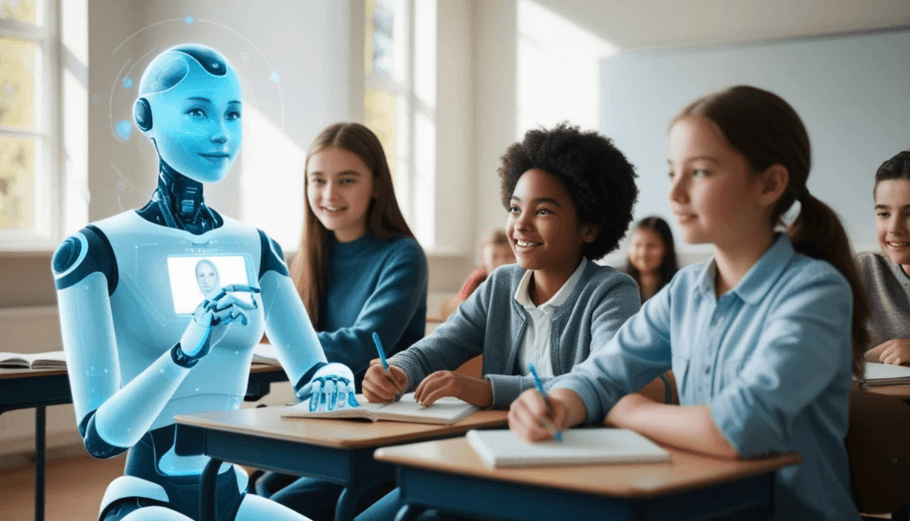
How AI Supports Modern Classrooms

Artificial intelligence has quickly become one of the most discussed technologies in education, transforming how students learn and how teachers plan, organize, and deliver instruction. While AI was once associated primarily with research labs and large technology companies, it is now being incorporated into classrooms through educational software, adaptive learning platforms, writing assistants, accessibility tools, and administrative applications. Schools are exploring these technologies not to replace teachers, but to enhance teaching and learning by providing additional resources, improving efficiency, and creating more personalized educational experiences.
As with any educational innovation, the value of AI depends on how it is used. When implemented thoughtfully and alongside sound teaching practices, AI can help educators spend more time engaging with students while giving learners access to tools that support understanding, creativity, and independent learning. At the same time, schools must balance these opportunities with responsible use, privacy considerations, and the continued development of critical thinking skills.
Why Schools Are Exploring Artificial Intelligence
Education has always evolved alongside new technologies. From calculators and computers to interactive whiteboards and online learning platforms, schools have continually adopted tools that support teaching and improve access to information. Artificial intelligence represents another step in this ongoing evolution.
One reason AI has gained attention is its ability to process information quickly and assist with repetitive or time-consuming tasks. Teachers often spend significant portions of their workday preparing lesson materials, organizing classroom resources, reviewing assignments, and managing administrative responsibilities. AI-powered tools can help streamline some of these tasks, allowing educators to devote more time to classroom instruction, student support, and professional collaboration.
Students also benefit from having access to additional learning resources outside traditional classroom hours. AI-powered educational platforms can provide explanations, practice activities, feedback, and study support whenever learners need assistance, making education more flexible and accessible.
Schools are also responding to increasingly diverse student populations. Learners arrive with different backgrounds, learning preferences, strengths, and support needs. AI can assist educators by providing personalized learning experiences that help accommodate this variety while still supporting classroom objectives.
How AI Supports Teachers
Teachers remain at the center of effective education, and AI works best when it complements rather than replaces their expertise. One of its greatest strengths is helping reduce administrative workloads that consume valuable instructional time.
Lesson planning is one area where AI can be helpful. Educators may use AI-assisted tools to generate lesson outlines, brainstorm classroom activities, create discussion prompts, or suggest differentiated learning materials. Teachers still review, adapt, and refine these materials to ensure they align with curriculum standards and the specific needs of their students.
Assessment preparation is another practical application. AI can assist in creating quizzes, generating practice questions, organizing review materials, or summarizing educational content. Some platforms also help analyze assessment results, allowing teachers to identify learning trends and recognize concepts that may require additional instruction.
Communication can also become more efficient. AI tools may assist with drafting newsletters, parent communications, classroom announcements, or routine administrative documents. By reducing time spent on repetitive writing tasks, educators have more opportunities to focus on student engagement and instructional planning.
Importantly, teachers continue to provide the judgment, creativity, empathy, and classroom management that technology cannot replicate. AI functions most effectively as a support tool that enhances professional decision-making rather than replacing it.
How AI Benefits Students
Students encounter AI in many different forms throughout their educational experiences. Adaptive learning platforms adjust instructional materials based on individual progress, providing additional practice where needed while allowing students to advance when they demonstrate understanding.
Writing assistance tools can help students organize ideas, improve grammar, refine sentence structure, and receive immediate feedback during the writing process. Used appropriately, these tools encourage revision and help students strengthen communication skills while still requiring them to develop original ideas.
Language learning applications increasingly use AI to provide pronunciation feedback, conversational practice, and personalized vocabulary exercises. Mathematics platforms may generate step-by-step explanations that help learners understand concepts rather than simply presenting final answers.
Accessibility represents another significant benefit. AI-powered speech recognition, text-to-speech technology, automatic captioning, translation services, and reading support tools help many students access educational content more effectively. These technologies can contribute to more inclusive learning environments by reducing barriers for students with varying needs.
Students also benefit from immediate feedback. Rather than waiting until the next class period to review assignments, AI-supported educational tools can provide explanations and practice opportunities that reinforce learning while concepts remain fresh.
Understanding AI in Schools
The growing use of AI in schools reflects the broader effort to combine educational expertise with technological innovation in ways that support learning. Schools are adopting AI across a variety of instructional and administrative functions, including personalized learning, educational planning, accessibility, and classroom organization.
Successful implementation depends on thoughtful policies, teacher training, and ongoing evaluation. AI should be viewed as one educational resource among many rather than a complete solution to every classroom challenge. When integrated responsibly, it can enhance existing teaching methods while supporting meaningful educational outcomes.
As schools continue exploring these technologies, maintaining a balance between innovation and sound educational practice remains essential.
Responsible Use and Important Considerations
While AI offers many opportunities, responsible implementation is equally important. Schools must ensure that technology supports learning without reducing opportunities for independent thinking, creativity, and problem-solving.
Academic integrity remains an important consideration. Students should understand when AI may appropriately assist learning and when original work is expected. Clear classroom expectations help ensure technology supports education rather than replacing the learning process itself.
Privacy and data protection also require careful attention. Schools should evaluate educational technologies thoughtfully, ensuring they comply with applicable privacy regulations and protect student information appropriately. Transparent policies help families understand how educational data is collected, stored, and used.
Bias represents another area for consideration. AI systems learn from existing data, which means educators should evaluate generated content critically rather than assuming every response is complete or entirely accurate. Teachers continue to play a vital role in verifying information, providing context, and encouraging thoughtful discussion.
Developing digital literacy is therefore becoming an increasingly valuable educational objective. Students benefit from learning not only how to use AI tools but also how to evaluate information critically, verify sources, recognize limitations, and make informed decisions about technology use.
See also: Precision Agriculture Technology Explained
Preparing Students for the Future
Beyond immediate classroom applications, AI helps prepare students for a future where artificial intelligence is likely to become increasingly common across many industries and professions. Exposure to AI-supported learning tools provides opportunities to understand both the capabilities and limitations of emerging technologies.
Students who develop responsible technology skills today may be better prepared to work alongside AI systems in future careers. They learn that technology can enhance productivity, support creativity, and improve efficiency while recognizing that human judgment, collaboration, communication, and ethical decision-making remain essential.
Teachers also continue expanding their professional knowledge as educational technology evolves. Ongoing training helps educators identify effective classroom applications while ensuring that technology serves instructional goals rather than driving them.
As educational practices continue changing, adaptability will remain one of the most valuable skills for both teachers and students.
Technology Enhances, Teachers Inspire
Artificial intelligence is becoming an increasingly valuable educational resource because it supports many aspects of teaching and learning while allowing educators to focus on what matters most: helping students grow. From personalized learning experiences and accessibility tools to lesson planning assistance and administrative efficiency, AI offers practical ways to strengthen modern classrooms when used thoughtfully.
The most successful educational environments will continue placing teachers at the center of learning while using AI as a complementary tool that expands opportunities rather than replacing human interaction. By combining technological innovation with skilled instruction, schools can create engaging, inclusive, and adaptable learning experiences that prepare students for an increasingly digital world while preserving the curiosity, creativity, and critical thinking that define meaningful education.