The Essential Decorating Guide to Applying Luster Dust for Metallic Finishes

Metallic finishes can turn simple decorations into nice centrepieces. If you use them for cakes, chocolates, cookies, or other desserts, a light shine gives them a good look and feel. To get this shine, you need the right product, tools, and a way of working that matches each item.
Choose the Right Technique for Your Desired Finish
Before you start to decorate, think about how shiny you want the final look to be. The luster dust gives you many ways to use it. You can get a soft, pearly shine, or a stronger look with metal-like color. Your result will change with the color you use, the feel of the surface, and the way you add the dust.
Gold has a warm and rich look. Silver gives a cool feel and a modern style. Rose gold is great for romantic themes, flower decorations, and fancy cakes at parties.
To get the same results each time, make sure you have a clean space to work in. Then, bring together the items you need:
- Food-safe brushes that come in several sizes for broad coverage and small details.
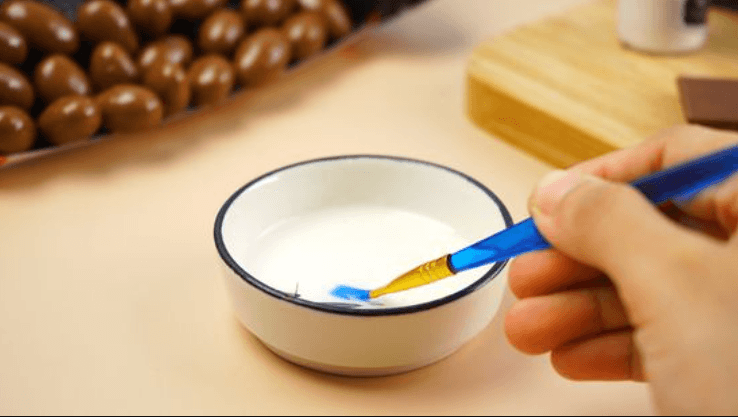
- A small mixing dish for making metallic paint you can eat.
- A dry, stable surface for decorating so the color stays on evenly.
- A practice item to see color strength before you decorate the real one.
Applying Metallic Finishes to Different Surfaces
The type of surface changes the way the pigment works. Fondant and royal icing that has set give a smooth base for designs that need to be exact. Buttercream gives a softer feel and looks more textured with shimmer. Chocolate also needs you to watch the heat and make sure the surface is ready.
Two main ways work well for most decorating ideas. Dry brushing is when you use a soft brush to put the powder right on. This way is good to add highlights or give the whole thing a light coat. Wet application is when you mix the powder with a safe liquid for food. You get paint that you can use for writing, patterns, or clear shiny parts.
| Application method | Best suited for | Expected finish |
| Dry brushing | Fondant, sugar flowers, hardened icing | Soft, reflective sheen |
| Wet painting | Lettering, decorative lines, smooth fondant | Defined metallic coverage |
| Light accent dusting | Buttercream textures and raised details | Delicate shimmer |
| Controlled airbrushing | Large, smooth decorative surfaces | Even, graduated coverage |
Pick the way to do the work based on the design. Don’t use the same method every time.
Practical Tips for a Professional Result
Metallic decoration looks its best when you use just a little. Too much powder can give a surface that is not smooth, and it may look chalky instead of shiny.
Follow these practical guidelines:
- Start small: Use a thin layer at first. Then slowly make it stronger if you want.
- Use dedicated tools: Use brushes and dishes meant just for decorating food.
- Allow surfaces to set: Stable and dry surfaces give results you can count on.
- Test colour combinations: See how the metallic shade looks on the base colour. Try it under both natural and indoor light.
- Protect the finish: Store decorated items in the right place. This helps keep away moisture and stops smudges.
Food safety is just as important as anything else. Choose products that clearly say they are safe to eat when you put them on food that people will eat. A label that says “non-toxic” does not mean you can eat the decorative powder. Always read and follow the directions from the company that made it, and use the product the way they tell you to.
Conclusion
Good metallic decoration is about using the right mix of colour, skill, and surface care. It helps to try the finish first. Decorators should use thin layers and pick the best tools. This way, you can make plain highlights or bold gold touches. When you choose quality luster dust for what you need, your work will have a smooth look. It makes cakes, confectionery, and many other decorating ideas stand out.