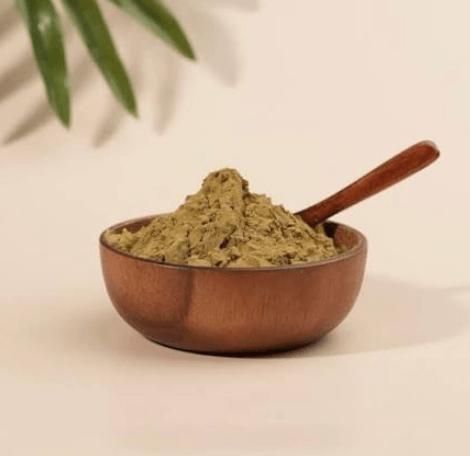
Sourcing Botanical Powders for Consistent Manufacturing

Manufacturers that use botanical powders need a sourcing process that balances quality, availability, cost, and traceability. These materials can vary according to the plant species, plant part, harvesting conditions, extraction process, and storage environment.
Nettle root extract is one example of a botanical ingredient that requires clear identification and appropriate quality controls. For businesses purchasing in wholesale quantities, understanding the specification and supplier’s capabilities can help reduce production uncertainty.
Understanding Nettle Root as a Raw Material
Nettle commonly refers to plants in the Urtica genus. The roots and leaves are distinct plant materials and should not be treated as interchangeable.
A nettle root extract is produced from the root material through a defined processing method. The resulting composition depends on the source material, extraction conditions, and any standardisation applied.
Confirm the Plant Part and Identity
Buyers should confirm the scientific name and plant part specified by the supplier. This is particularly important when different parts of the same plant are sold for separate applications.
The technical documentation should also identify the ingredient form, such as a powder or extract, and explain any relevant processing or standardisation details.
Understanding Beta-Sitosterol Specifications
Beta-sitosterol is a plant sterol found in various plant materials. It may be measured as a constituent in some botanical ingredients.
A specification that mentions beta-sitosterol should explain whether the value refers to a target constituent, a defined analytical result, or another parameter. The precise meaning must be confirmed through the current technical documentation.
A marker percentage does not fully describe the composition of a complex extract. Buyers should review the complete specification before deciding whether the material suits their needs.
Establishing Wholesale Purchasing Requirements
Wholesale sourcing involves more than finding a supplier with available stock. Purchasing teams should define the required grade, specification, batch documentation, packaging, quantity, delivery schedule, and any special storage requirements.
Clear specifications help suppliers provide comparable quotations and reduce confusion about what will be delivered.
Calculate Total Procurement Cost
The lowest unit price may not represent the lowest overall cost. Freight, packaging, testing, storage, payment terms, and potential losses from inconsistent quality can all affect the final expense.
Businesses should compare quotations using the same technical requirements and delivery conditions. This creates a more meaningful basis for supplier selection.
See also: Why Reliable Power Semiconductor Manufacturers Matter in Industrial Power Systems
Evaluating a Potential Supplier
Supplier assessment should consider technical knowledge, quality procedures, communication, production capacity, traceability, and reliability. Buyers should also understand how the supplier manages deviations and responds to questions about a batch.
Companies researching green spring technology Nettle Root Extract Powder Wholesale should confirm the current product specification, available wholesale quantities, standardisation details, and batch documentation. Before placing a larger order, they should also clarify lead times, packaging options, and the procedure for obtaining samples where available.
A small initial order may help a business evaluate the material’s suitability before committing to regular purchases.
Incoming Quality Control
Each delivery should be checked against the purchase order. Staff should verify the product name, lot number, packaging integrity, and accompanying documents.
Quality personnel should review the certificate of analysis against the approved specification. Additional testing may be appropriate depending on the intended application and the risk assessment.
Material that fails an agreed requirement should be isolated while the discrepancy is investigated. Clear procedures help prevent an unapproved batch from entering production.
Storage and Stock Management
Botanical powders should be stored according to supplier guidance and relevant stability information. Containers should be protected from unsuitable moisture, heat, and contamination.
Wholesale quantities can occupy warehouse space for extended periods, so purchasing plans should consider shelf life, stock turnover, and production forecasts.
Batch-level inventory records support traceability. They also help businesses identify which incoming material was used in a specific finished-product batch.
Planning for Formulation and Production
A botanical powder may affect the mixing, flow, appearance, or stability of a formulation. Developers should evaluate these characteristics under the planned production conditions before scaling up.
Where the extract is standardised, the formulation team should confirm how the specification relates to the intended finished product. A defined raw-material parameter does not automatically determine the characteristics of the final formulation.
The product category and destination market must also be reviewed for regulatory suitability.
Building a Long-Term Supply Relationship
For recurring orders, businesses should monitor supplier performance over time. Relevant measures may include delivery reliability, batch conformity, response time, and the frequency of quality deviations.
Periodic reviews can identify whether specifications need updating or whether the supplier can support future demand. Changes to raw materials, production methods, or documentation should be communicated before they affect incoming shipments.
Frequently Asked Questions
1. What should be checked before purchasing nettle root extract in bulk?
Buyers should verify botanical identity, plant part, specification, analytical methods, batch documentation, packaging, storage guidance, and regulatory suitability for the intended use.
2. Is a wholesale price enough to compare suppliers?
No. Buyers should compare the full delivered cost alongside technical quality, consistency, documentation, and delivery performance.
3. Why is batch traceability important?
Traceability links a delivery to its documentation and subsequent use. It helps businesses investigate discrepancies and manage quality issues more effectively.
Conclusion
Wholesale botanical sourcing works best when technical requirements are established before price negotiations. Clear specifications, reliable documentation, incoming inspection, and careful inventory management help manufacturers maintain consistency. Ongoing supplier reviews can further improve purchasing decisions and support dependable production planning.