Better Dog Feeding Starts With the Right Bowl and Daily Routine

Dog care is increasingly moving toward practical, health-conscious choices that support a pet’s comfort throughout the day. While food quality and exercise often receive the most attention, the equipment dogs use for eating and drinking also deserves consideration. A bowl sits at the center of several daily routines, from hydration and mealtimes to cleaning and feeding habits.
For many pet owners, the modern approach is not simply about choosing a bowl that looks attractive. It is about finding a design that keeps water or food at a more suitable temperature, remains stable during use, and fits naturally into the dog’s environment. This is especially relevant as more owners look for thoughtful products that make everyday pet care easier without adding unnecessary complexity.
An insulated dog bowl can be part of this shift toward more considered feeding solutions. However, insulation is only one feature worth examining. Material, construction, stability, hygiene, size, and the individual needs of a dog can all influence whether a particular bowl is a practical choice.
The Growing Focus on Smarter Pet Products
Pet ownership has changed significantly as people have become more aware of the connection between everyday routines and animal well-being. Instead of treating feeding accessories as basic household items, many owners now consider how these products fit into their pets’ overall lifestyle.
This trend has encouraged greater interest in durable, functional, and thoughtfully designed pet accessories. Products are increasingly expected to do more than perform a basic task. They should be easy to maintain, comfortable for pets, and suitable for the spaces where they are used.
Dog bowls are a good example of this change. A bowl may appear simple, but small design differences can influence how convenient it is to use and maintain.
Some features that deserve attention include:
- Temperature management: Insulated construction can help reduce the effect of surrounding temperatures on food or water.
- Stable construction: A sturdy base can help reduce sliding, tipping, and unnecessary spills.
- Easy cleaning: Smooth, accessible surfaces make regular washing more manageable.
- Appropriate size: The bowl should accommodate the dog’s food or water needs without being unnecessarily large.
- Durable materials: Well-made materials can better withstand repeated daily use.
These considerations make the selection process more meaningful than simply choosing the first bowl that fits the kitchen or feeding area.
See also: Real-Life Applications of Artificial Intelligence
How Insulation Can Improve the Drinking Experience
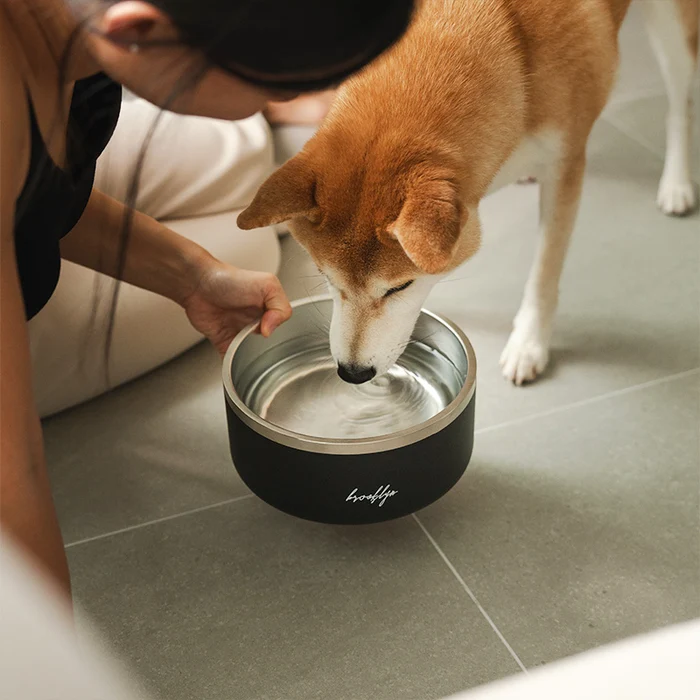
Water is one of the most important parts of a dog’s daily routine. Dogs need regular access to clean drinking water, particularly after physical activity or exposure to warm surroundings.
Temperature can influence how appealing water feels to a dog. Water that becomes unusually warm may be less refreshing, especially in environments where indoor or outdoor temperatures rise. Insulated construction is designed to slow the transfer of heat between the contents of a container and the surrounding environment.
That does not mean an insulated bowl can keep water at a specific temperature indefinitely. Instead, its purpose is to help reduce rapid temperature changes compared with some conventional materials.
This can be particularly useful for owners who want a bowl that performs consistently in different areas of the home, on patios, or during outdoor activities.
Choosing Materials With Hygiene in Mind
A dog’s bowl comes into contact with food, saliva, water, and the surrounding environment every day. As a result, hygiene should be one of the first considerations when selecting feeding equipment.
The material should have a surface that can be cleaned thoroughly and regularly. Scratches, rough textures, and difficult-to-reach areas can make cleaning more challenging because residue may collect in places that are easy to overlook.
A practical feeding bowl should ideally have:
- A smooth interior that can be washed thoroughly.
- Construction that does not create unnecessary crevices.
- Materials suitable for frequent cleaning.
- A finish that remains practical after repeated use.
Regular cleaning remains important regardless of the type of bowl selected. Fresh water should be provided consistently, and food residue should not be allowed to remain in the bowl longer than necessary.
Stability Is Just as Important as Temperature
Insulation may attract attention, but stability can be equally important in everyday use. Dogs can be enthusiastic eaters, and a lightweight bowl may move across the floor while they are eating or drinking.
A bowl that shifts repeatedly can create spills and make mealtimes less comfortable. In some homes, it can also leave water or food around the feeding area, increasing cleaning work.
A stable design can help keep the bowl positioned where it belongs. The ideal level of stability depends on the dog’s size, eating habits, and the surface where the bowl is placed.
For example, a bowl used on a smooth floor may need different stability features from one placed on a textured mat or outdoor surface.
Size Should Match the Dog, Not Just the Space
Bigger is not automatically better when it comes to dog bowls. The bowl should be appropriately sized for the dog’s food and water requirements while remaining comfortable to use.
A very small bowl may require frequent refilling and could make drinking awkward for a larger dog. On the other hand, an oversized bowl may take up unnecessary space and may not be practical for a smaller pet.
Breed, body size, eating behavior, and feeding routine can all influence the appropriate bowl dimensions.
It is also useful to think about the bowl’s depth. Some dogs may find a deep design comfortable, while others may prefer easier access to food or water from a shallower shape.
A More Thoughtful Approach to Outdoor Feeding
Outdoor pet care presents additional challenges. Dogs may spend time on patios, balconies, porches, at campsites, or in other outdoor spaces where environmental conditions can change throughout the day.
A bowl used outdoors needs to withstand more than regular household use. It may be exposed to sunlight, changing temperatures, dust, moisture, and accidental movement.
This is where thoughtful construction becomes especially valuable.
The Brooklyn, for example, reflects the broader interest in pet products that combine practical everyday function with designs that fit naturally into modern living spaces. The emphasis should always remain on choosing products that suit the dog’s needs rather than selecting something solely because it looks appealing.
What Makes a Bowl Convenient for Owners?
A good pet product should make daily routines simpler rather than create another task to manage. Dog owners should therefore consider how a bowl fits into their normal schedule and cleaning habits.
Convenience can come from several small details. A bowl that is easy to lift, clean, store, and reposition can be more useful than one with complicated features that rarely serve a practical purpose.
Consider the following before making a choice:
- Cleaning routine: Think about how easily the bowl can be washed after meals and throughout the week.
- Storage: Consider whether the bowl can be stored conveniently when it is not in use.
- Location: Choose a design that works well in the intended feeding area.
- Portability: If the bowl will be moved between indoor and outdoor spaces, weight and construction matter.
- Durability: Look for a design that can handle regular use without becoming difficult to maintain.
These practical questions can prevent a product from becoming an attractive but inconvenient addition to the home.
Understanding Your Dog’s Individual Preferences
There is no single bowl design that works perfectly for every dog. Individual behavior matters.
Some dogs drink quickly, while others take frequent small drinks. Some push bowls around while eating, while others remain in one position. A dog with a particularly enthusiastic feeding style may benefit from a heavier and more stable design.
Age can also influence preferences. Puppies may interact with bowls differently from adult dogs, while older dogs may benefit from feeding equipment that is easier to access.
Owners should observe how their dogs actually use their current bowls. If a bowl constantly slides, tips over, becomes difficult to clean, or causes the dog to struggle during meals, those observations can guide the next choice.
Why Design and Function Should Work Together
Pet products are becoming increasingly integrated into home environments. Owners want accessories that perform well without appearing out of place.
However, appearance should support function rather than replace it.
A thoughtfully designed dog bowl can combine practical construction with a clean appearance. This makes it easier to maintain a consistent feeding area while still prioritizing the dog’s everyday needs.
The best approach is to consider appearance after evaluating the fundamentals: safety, hygiene, stability, material quality, size, and ease of use.
Maintaining a Healthy Feeding Routine
Even a well-designed bowl cannot replace good feeding habits. Dogs benefit from consistency in access to clean water and appropriate food.
The feeding area should also be kept clean. Spilled water should be wiped up when necessary, food particles should be removed regularly, and the bowl should be washed according to the manufacturer’s care instructions.
It is also useful to check the bowl periodically. Look for signs of damage, unusual wear, deep scratches, or changes to the surface that could affect cleaning.
Replacing feeding equipment when it is no longer in suitable condition is part of responsible pet care.
Looking Beyond the Bowl
A dog’s feeding setup is only one part of a larger daily routine. Exercise, nutrition, hydration, rest, grooming, and regular veterinary care all contribute to overall well-being.
Still, small improvements can make everyday life more comfortable for both pets and owners. Choosing a bowl that matches the dog’s habits and the household environment is a simple example of this approach.
The growing interest in functional pet accessories reflects a broader idea: products used every day deserve thoughtful consideration. Rather than focusing only on appearance or a single feature, owners can evaluate how each product contributes to comfort, cleanliness, convenience, and routine.
Conclusion
Choosing the right dog bowl is a small decision, but it can have a meaningful effect on everyday feeding and hydration routines. Features such as insulation, stable construction, suitable sizing, durable materials, and easy cleaning can all contribute to a more practical setup.
The most important factor is understanding the individual dog. Consider its size, habits, environment, and daily routine before selecting a bowl. A thoughtful choice should make feeding easier while giving the dog a comfortable place to eat and drink.
As pet care continues to become more focused on everyday wellness and practical design, simple accessories are receiving more attention for good reason. If you are exploring options that better suit your dog’s routine, Get in touch and consider which features will provide the greatest value for your pet’s daily comfort.