How Retail Brands Can Use Customer Data to Improve Personalisation Without Losing Trust

Personalisation has become an important part of modern retail as customers expect brands to provide more relevant products, offers and experiences. From personalized product recommendations to targeted communications, customer data can help retailers understand what shoppers need and when they are most likely to engage. However, using data effectively requires more than collecting as much information as possible.
Customers also want transparency and control over how their information is used. If personalisation feels excessive, unexpected or intrusive, it can affect the relationship between a customer and a brand. For retailers, the challenge is therefore to create a personalized customer experience while maintaining customer confidence. The right approach combines useful personalisation with responsible data practices and clear communication.
Understanding What Customers Actually Value
Personalisation should begin with customer needs rather than the amount of data available to a retailer. Information about previous purchases, product preferences or interactions can help businesses understand what may be relevant to a customer. However, not every piece of information needs to be used in every interaction.
For example, a retailer may use purchase history to recommend complementary products or help a customer find products related to an earlier purchase. This can make an interaction more useful without making the customer feel that the brand knows too much about them.
A personalized customer experience should therefore feel relevant and helpful rather than simply personalised for its own sake. Retailers can focus on data that has a clear purpose and provides a genuine benefit to the customer.
Building a Strong First-Party Data Strategy
As retailers look for more reliable ways to understand their customers, first-party data can become an important resource. This may include information customers provide directly through purchases, account activity, loyalty programmes, preferences and interactions with a brand.
First-party data can provide valuable context because it is collected through the retailer’s own customer relationships. Businesses can use this information to understand shopping patterns and improve relevant experiences across their digital and physical channels.
However, collecting first-party data should be accompanied by clear expectations. Customers should understand why information is being requested and how it can improve their experience. When the purpose is clear, customers may be more comfortable engaging with personalisation features.
Making Personalised Recommendations More Relevant
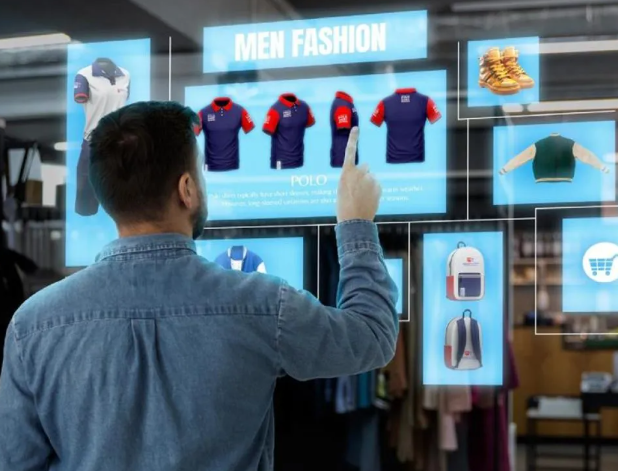
Product recommendations are one of the most visible forms of retail personalisation. Customers may receive suggestions based on previous purchases, browsing activity or products they have shown interest in.
The quality of these recommendations matters. Irrelevant suggestions can make personalisation feel mechanical, while useful recommendations can save customers time when searching for products.
Retailers can improve relevance by considering context rather than relying on a single data point. A customer’s recent purchase, current browsing activity and stated preferences may provide different signals. Combining appropriate information can help businesses create recommendations that better reflect the customer’s current needs.
Keeping Personalisation Transparent
Trust can be affected when customers do not understand why they are receiving a particular message or recommendation. Retailers can address this by making their data practices easier to understand.
Clear privacy information, understandable preference controls and straightforward explanations can help customers make informed choices. Retailers can also provide appropriate options for managing marketing communications and personalisation preferences.
Transparency does not mean overwhelming customers with technical explanations. Instead, businesses can communicate data practices in simple language and make relevant controls easy to find.
Avoiding Over-Personalisation
There is a difference between relevant personalisation and excessive personalisation. A customer may appreciate recommendations based on their shopping history but may feel uncomfortable if a brand references information that appears unrelated to their current interaction.
Retailers can establish boundaries around how customer information is used. Personalisation should have a clear connection to the customer’s relationship with the brand and the experience being provided.
This approach can also help employees understand when personalisation adds value and when a more neutral interaction is appropriate. The objective should be to make customer interactions more useful without making customers feel constantly monitored.
Connecting Personalisation With Customer Engagement
Personalisation can influence customer engagement when it gives customers information that is genuinely relevant to them. Targeted offers, useful recommendations and timely service messages can encourage customers to interact with a brand more frequently.
However, engagement should not be measured only by clicks or conversions. Retailers can also consider whether personalised communications improve the quality of customer interactions and help customers find products or services more efficiently.
Businesses can use customer feedback and engagement patterns to refine their approach. If customers consistently ignore particular types of personalised messages, retailers can reassess whether those communications are providing meaningful value.
Using Customer Data Across Service Interactions
Customer data can also support personalisation beyond marketing. Customer service teams may use relevant account and purchase information to understand a customer’s situation without requiring them to repeat information they have already provided.
For example, when a customer contacts a retailer about an order, access to relevant order information can make the interaction more efficient. Support teams can focus on resolving the issue instead of collecting basic information that is already available through appropriate systems.
This creates a connection between personalisation and service quality. A personalised experience does not always require a customised offer; sometimes it simply means recognising the context of an existing customer relationship.
TP India can help retail businesses strengthen customer experience processes while they develop more connected and personalised customer journeys. Its customer experience capabilities can support organisations in managing customer interactions, improving service consistency and using customer insights to identify opportunities for better engagement. By combining relevant customer information with appropriate processes and technology, retailers can work towards personalisation that remains focused on customer value.
Making Trust Part of the Personalisation Strategy
Retail personalisation works best when customers can see a clear benefit from sharing information. Businesses can build this relationship by collecting relevant first-party data, communicating its purpose clearly and giving customers appropriate control over their preferences.
A strong personalized customer experience should make shopping and service interactions more useful without crossing the boundaries of customer expectations. Retailers that connect personalisation with meaningful customer engagement can create more relevant experiences while keeping transparency and trust at the centre of their approach.
Ultimately, personalisation is not simply about knowing more about customers. It is about using relevant information responsibly to make interactions more useful. When retailers treat customer trust as an essential part of their data strategy, personalisation can become a sustainable component of the wider customer experience.
FAQs
1. How can retailers use customer data for personalisation?
Retailers can use relevant customer information such as purchase history, preferences and interactions to provide more useful recommendations, communications and service experiences.
2. What is first-party data in retail?
First-party data is information a retailer collects directly through its own customer relationships, such as purchases, account activity, loyalty interactions, preferences and customer service interactions.
3. How can personalisation affect customer engagement?
Relevant personalisation can make communications, recommendations and shopping experiences more useful, which can encourage customers to interact more meaningfully with a retail brand.
4. How can retailers maintain trust while personalising experiences?
Retailers can maintain trust by explaining how customer information is used, collecting relevant data for clear purposes, providing appropriate preference controls and avoiding personalisation that feels excessive or unrelated to the customer’s interaction.