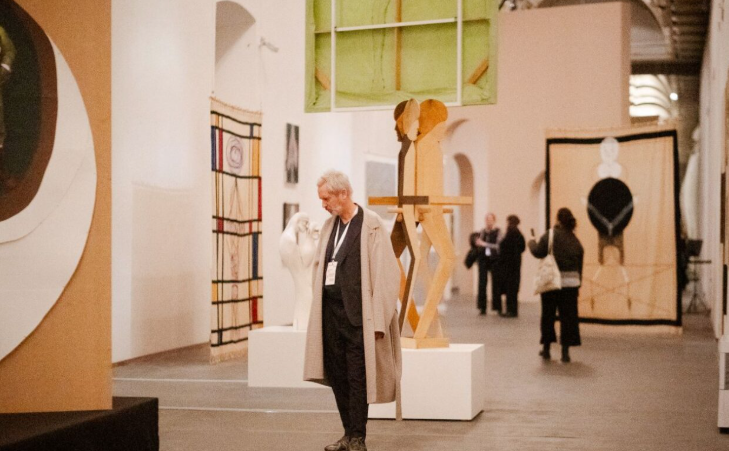
Effective Asset Stewardship for Museums and Galleries

Museums and galleries are custodians of cultural memory, tasked with preserving objects that tell human stories across generations. Effective asset stewardship goes beyond simply keeping items safe; it requires a strategic blend of documentation, conservation, risk mitigation, and public-facing policies that ensure collections remain meaningful, accessible, and resilient. This article outlines practical frameworks and operational practices that institutions of any size can adopt to strengthen stewardship and support long-term institutional missions.
Establishing Clear Governance and Policy
A strong stewardship program begins with governance. Trustees and senior leadership must define the institution’s collecting scope, acquisition criteria, and deaccession policies in clear, written form. These policies should reflect ethical standards, legal obligations, and the museum’s mission. Regular review cycles assure that practices keep pace with evolving scholarship, community priorities, and regulatory changes. Governance also includes defining roles and responsibilities across departments; curators, registrars, conservators, facilities staff, and educators each play distinct but interdependent roles in maintaining collections.
Robust Documentation and Recordkeeping
Accurate, up-to-date documentation is the backbone of asset stewardship. Core records should include provenance, legal title, condition reports, exhibition history, conservation interventions, and any loan agreements. Digital catalog systems facilitate searchable, centralized records and enable linking images, conservation files, and insurance valuations to a single object record. Integrating art collection management platforms with inventory procedures reduces duplication and supports transparency. Establishing consistent metadata standards and controlled vocabularies improves interoperability, helping institutions share records with researchers, funders, and other museums.
Preventive Conservation and Environmental Control
Preventive care is often the most cost-effective conservation strategy. Maintaining stable environmental conditions—appropriate temperature, relative humidity, light levels, and air quality—significantly reduces the risk of degradation. Facilities teams must work with curators and conservators to tailor conditions for different materials, from paper and textiles to metals and organic compounds. Regular condition checks, dust control, pest management, and handling protocols prevent minor issues from becoming major conservation crises. When interventions are needed, conservators should produce detailed treatment reports and recommendations for future care.
Risk Assessment and Emergency Preparedness
Risk management is an essential component of stewardship. Conducting comprehensive risk assessments helps identify vulnerabilities related to natural disasters, theft, vandalism, and human error. Emergency preparedness plans should outline roles, evacuation procedures for high-risk items, salvage priorities, and contact lists for conservators, insurers, and emergency services. Training drills for staff and volunteers build confidence in executing these plans. Additionally, maintaining off-site backups of digital records and high-resolution images ensures that critical information survives physical threats.
Responsible Loans, Insurance, and Security
Loans enrich public programming but introduce additional responsibilities. Loan agreements must stipulate environmental requirements, security measures, transport protocols, and insurance coverage. Working closely with borrowers to set realistic exhibition conditions and to monitor compliance reduces risk. Insurance is a safety net, but it should complement—not replace—sound preventive measures and rigorous condition reporting. Security systems, both physical and staff-related, must balance artifact protection with visitor experience, employing unobtrusive technologies and staff training to deter theft or damage.
Ethical Considerations and Provenance Research
Provenance research and ethical stewardship are integral to maintaining public trust. Institutions should prioritize investigating the ownership history of works, particularly for objects with gaps in documentation that could indicate illicit removal or contested ownership. When problematic provenance emerges, transparent, ethically guided responses—such as restitution, shared custody agreements, or long-term loans—help institutions honor cultural rights and legal obligations. Engaging with source communities and experts fosters dialogue and can lead to mutually beneficial stewardship arrangements.
See Also: Modern Solutions for Precision Glass Processing
Digital Stewardship and Access
Digitization expands access to collections while serving preservation goals. High-quality images, 3D scans, and descriptive metadata allow remote scholarship and public engagement without exposing fragile originals to handling or display stress. However, digital assets themselves require stewardship: file format standards, backup strategies, and migration plans prevent obsolescence. Online access policies should balance rights management with open access principles, ensuring that cultural sensitivity and donor restrictions are respected. Thoughtful digital programming can connect audiences to collections in ways that support both education and conservation.
Community Engagement and Interpretation
Asset stewardship is not solely an internal endeavor; it involves communicating the value and care of collections to the public. Interpretation programs can highlight conservation stories, explain why certain objects are stored rather than displayed, and invite audiences into the stewardship process through behind-the-scenes tours or participatory projects. Partnerships with schools, local organizations, and cultural groups broaden stewardship responsibilities by sharing knowledge and building constituencies that support preservation efforts. Transparent communication about priorities and constraints strengthens community trust and can attract volunteers and donors.
Building Capacity Through Training and Collaboration
Sustainable stewardship depends on skilled personnel. Investing in professional development for registrars, conservators, and collections managers cultivates institutional expertise. Cross-training staff in basic collections care and emergency response increases resilience. Collaboration with regional conservation centers, universities, and peer institutions provides access to specialized knowledge and can be cost-effective for smaller organizations. Shared resources—such as pooled storage, joint conservation projects, or consortium purchasing—help stretch limited budgets while maintaining high standards of care.
Maintaining the integrity and accessibility of cultural heritage requires a proactive, integrated approach to asset stewardship. By combining clear governance, meticulous documentation, preventive conservation, risk planning, ethical decision-making, digital strategies, community engagement, and staff development, museums and galleries can safeguard their collections for future generations. The commitment to stewardship is a living practice: it evolves as materials age, scholarship advances, and communities change, but it always centers on the enduring responsibility to preserve and share cultural treasures with care and integrity.