LIB Industry Water Spray Jetting Chamber: A Practical Guide to Water Spray Testing

When products are designed for outdoor environments or applications where they may come into contact with powerful streams of water, ordinary laboratory testing may not be enough. Manufacturers need to understand how equipment, enclosures, components, and assemblies perform when exposed to water under controlled conditions. This is where a LIB industry water spray jetting chamber can become an important part of a product testing program.
Water spray testing helps manufacturers evaluate whether a product can withstand defined water exposure without losing functionality or developing problems related to moisture penetration. It can be especially useful during product development, quality control, reliability testing, and verification of enclosure protection.
What Is a Water Spray Jetting Chamber?
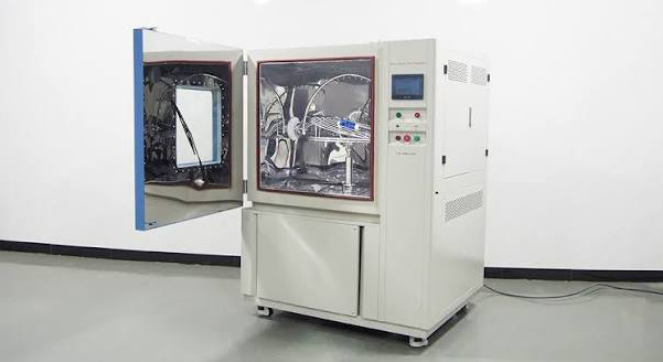
A water spray jetting chamber is a controlled testing system designed to expose test samples to water spray or water jets under specified conditions.
Unlike ordinary cleaning or washing, laboratory water testing is performed according to predetermined parameters. These can include water pressure, flow rate, spray pattern, test duration, distance between the nozzle and sample, and the orientation of the product.
The purpose is to create repeatable test conditions. A controlled environment allows engineers to compare results between different product designs and identify weaknesses before products reach customers.
See also: Real-Life Applications of Artificial Intelligence
Why Water Jet Testing Matters
Moisture can affect products in several ways. Water may enter through openings, seams, connectors, covers, ventilation areas, or other vulnerable points. Once inside an enclosure, it can potentially affect electrical components, materials, mechanical systems, and internal connections.
For this reason, water resistance can be an important consideration for products intended for demanding environments.
A structured water jet test allows manufacturers to investigate how a product behaves when exposed to water more aggressively than normal environmental conditions. The resulting information can support design improvements and quality assurance activities.
Common Products That May Require Water Testing
Water spray and jet testing can be relevant to many industries. Depending on the application, test samples may include electrical equipment, outdoor enclosures, automotive components, lighting products, industrial equipment, connectors, control devices, and consumer products.
The appropriate test conditions depend on the product and the intended environment.
For example, a device intended for an indoor office may require very different environmental protection from equipment installed outdoors or exposed to regular washing procedures. Defining the expected operating environment is therefore an important first step.
Understanding the Testing Parameters
A reliable water jet test depends on controlled testing parameters.
Water Pressure
Water pressure determines how forcefully water reaches the test sample. Higher-pressure conditions can create more demanding exposure and may reveal weaknesses that are not visible during low-pressure spray testing.
Flow Rate
The amount of water delivered during testing also affects the test conditions. A consistent flow rate helps maintain repeatability between different tests.
Nozzle Distance
The distance between the nozzle and the sample can influence the force and coverage of the water reaching the product. Maintaining the specified distance is therefore important for controlled testing.
Test Duration
The length of exposure should correspond to the applicable test procedure or the manufacturer’s internal testing requirements. Longer exposure may provide additional information about the product’s resistance to continued water contact.
Product Positioning Is Important
The position of the sample can significantly influence the test result.
Some products may have openings or joints that behave differently depending on their orientation. A complete testing procedure should therefore define which surfaces and areas are exposed and how the sample should be positioned.
For products with multiple sides, engineers may need to consider different orientations rather than focusing on only one surface.
What Happens After the Test?
Water exposure testing should not end when the spray is turned off. The product normally needs to be inspected according to the applicable evaluation criteria.
Depending on the test objective, engineers may check whether water entered the enclosure, whether internal components were affected, and whether the product continues to operate as expected.
Visual inspection can also reveal areas where sealing, joints, covers, or other structural features may require improvement.
Water Testing During Product Development
Testing during the design stage can help manufacturers identify problems before mass production.
A prototype may appear reliable under normal conditions but reveal weaknesses when subjected to controlled water exposure. Engineers can use these findings to modify seals, enclosure geometry, joints, connectors, or other components.
Repeating the test after modifications provides a practical way to compare different design versions.
This iterative approach can reduce the risk of discovering environmental protection problems after production has already begun.
Quality Control and Production Verification
Water testing can also be used as part of a broader quality management process.
Changes in materials, suppliers, manufacturing methods, sealing components, or assembly procedures may affect a product’s resistance to water. Testing can help verify whether production samples continue to meet the intended requirements.
Not every production environment requires the same testing frequency. Manufacturers can establish testing procedures based on product risk, industry requirements, production processes, and quality objectives.
Selecting the Right Testing Equipment
Choosing testing equipment should begin with the intended test rather than the machine itself.
Manufacturers should first identify the relevant standards, test conditions, sample dimensions, water requirements, and expected testing frequency. They can then evaluate whether a particular chamber provides the required control and repeatability.
A LIB industry water spray jetting chamber can be considered when a laboratory needs controlled water jet exposure for product evaluation.
Important equipment considerations may include nozzle configuration, water circulation, pressure control, flow monitoring, sample space, chamber construction, and ease of operation.
Maintenance of Water Testing Equipment
Regular maintenance is essential for reliable testing.
Water systems can accumulate deposits or contaminants over time, particularly when water quality is not properly controlled. Nozzles and other components should be inspected according to the equipment manufacturer’s recommendations.
Testing personnel should also maintain appropriate records for calibration, maintenance, test conditions, and results. Good documentation makes it easier to identify changes in equipment performance and maintain consistency between tests.
Improving Test Repeatability
Repeatability is one of the main advantages of laboratory testing.
To obtain meaningful results, test personnel should follow consistent procedures. This includes using the same sample preparation method, test settings, exposure time, water conditions, and evaluation criteria whenever the test requires direct comparison.
Environmental conditions surrounding the test may also need to be controlled depending on the applicable procedure.
Clear documentation reduces uncertainty and makes test results easier for engineering and quality teams to interpret.
Safety Considerations
Water testing involves both liquid and equipment, so laboratory safety should be considered carefully.
Electrical test samples can create additional hazards when exposed to water. Appropriate safety procedures should therefore be established before testing begins. Personnel should follow the equipment manufacturer’s instructions and applicable laboratory safety requirements.
The test area should also be maintained in a condition that reduces unnecessary risks from water accumulation, splashing, or electrical exposure.
Frequently Asked Questions
1. What is a water spray jetting chamber used for?
It is used to expose products or components to controlled water spray or jet conditions. The test can help evaluate water resistance and identify potential weaknesses in product design.
2. What factors affect a water jet test?
Important factors can include water pressure, flow rate, nozzle configuration, distance, exposure duration, sample orientation, and the requirements of the applicable testing procedure.
3. Can water jet testing be used during product development?
Yes. Testing can be incorporated into product development to identify potential water-resistance problems in prototypes and evaluate whether design modifications improve performance.
Conclusion
A water spray jetting chamber provides manufacturers with a controlled way to investigate how products respond to water exposure. By managing parameters such as pressure, flow, nozzle position, duration, and sample orientation, laboratories can create more consistent testing conditions.
Water testing can support several stages of product development, from prototype evaluation to quality control and production verification. The key is to define the testing objective clearly and select equipment that matches the required conditions.
With appropriate procedures, documentation, maintenance, and safety practices, water jet testing can become a valuable part of a broader product reliability and environmental testing program.