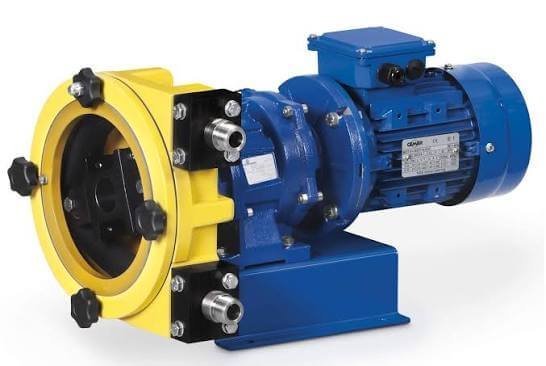
Evaluating Industrial Peristaltic Pump Manufacturers for Long-Term Reliability

Selecting a manufacturing partner for industrial-scale peristaltic pump equipment represents a decision with meaningful long-term operational consequences, since these pumps often serve critical roles within continuous production processes where equipment reliability directly affects overall facility uptime and operational cost.
Why Manufacturer Selection Carries Outsized Importance at Industrial Scale
Unlike smaller laboratory or portable pump purchases where equipment failure represents a relatively contained inconvenience, industrial pump failures can trigger cascading production disruptions, unplanned maintenance costs, and in some applications, environmental or safety concerns depending on the specific fluid being handled, making manufacturer reliability and product quality considerably higher-stakes considerations at industrial scale.
Assessing Manufacturing Quality Control for Industrial-Grade Production
Evaluating industrial peristaltic pump manufacturers requires understanding their specific quality control processes applied to industrial-grade production, including material certification practices for structural and wear components, testing protocols validating performance under industrial operating conditions, and documented reliability data from comparable industrial deployments rather than relying on general manufacturing claims alone.
Reviewing Track Record With Comparable Applications
Buyers should specifically request references and documented case studies from a manufacturer’s existing industrial clients operating in comparable application contexts, since performance characteristics that work well in one industrial application category, such as water treatment, may not directly translate to reliable performance in a meaningfully different application context, such as mining slurry handling with more abrasive fluid characteristics.
Evaluating Production Capacity and Delivery Reliability
Industrial equipment purchasing decisions should account for a manufacturer’s production capacity and demonstrated track record for meeting delivery commitments, since supply chain reliability directly affects a buyer’s own production planning and equipment installation timelines, particularly important for facilities planning equipment installation around specific production schedule windows.
Technical Support and Service Infrastructure
Given the operational criticality typical of industrial pump applications, evaluating a manufacturer’s technical support infrastructure, including responsiveness to technical questions, availability of spare parts, and support for troubleshooting operational issues, provides important insight into how well a manufacturing relationship will support ongoing operational needs beyond the initial equipment purchase transaction.
Understanding Warranty Terms and Long-Term Support Commitments
Industrial equipment buyers should thoroughly understand warranty terms, including coverage scope and duration, along with the manufacturer’s demonstrated commitment to supporting equipment throughout its expected operational lifetime, which for industrial pump equipment often spans many years of continuous or near-continuous operation.
Building Collaborative Long-Term Industrial Partnerships
Given the extended operational lifecycles typical of industrial pump equipment and the potential for facility expansion or process modification over time, buyers benefit from evaluating potential manufacturing partners not just for the immediate purchase but for their capacity to support an evolving, long-term industrial equipment relationship as facility needs potentially change over subsequent years.
Conclusion
Evaluating industrial peristaltic pump manufacturers requires thorough assessment of quality control processes, comparable application track record, production reliability, and long-term technical support capability, reflecting the outsized operational consequences that equipment reliability carries within industrial-scale continuous production contexts. Buyers who invest in this thorough evaluation position their operations for more reliable, sustainable industrial fluid handling performance.
FAQs
Q1: Why does manufacturer selection carry higher stakes for industrial pump applications? Industrial pump failures can trigger cascading production disruptions and unplanned costs, making reliability and quality considerably higher-stakes considerations compared to smaller-scale pump purchases.
Q2: What should I look for in a manufacturer’s industrial application track record? Request references and case studies specifically from comparable application contexts, since performance in one industrial category doesn’t necessarily translate directly to another with different fluid characteristics.
Q3: Why does technical support infrastructure matter for industrial pump purchases? Given the operational criticality typical of industrial applications, responsive technical support and spare parts availability significantly affect how well ongoing operational needs are supported beyond the initial purchase.