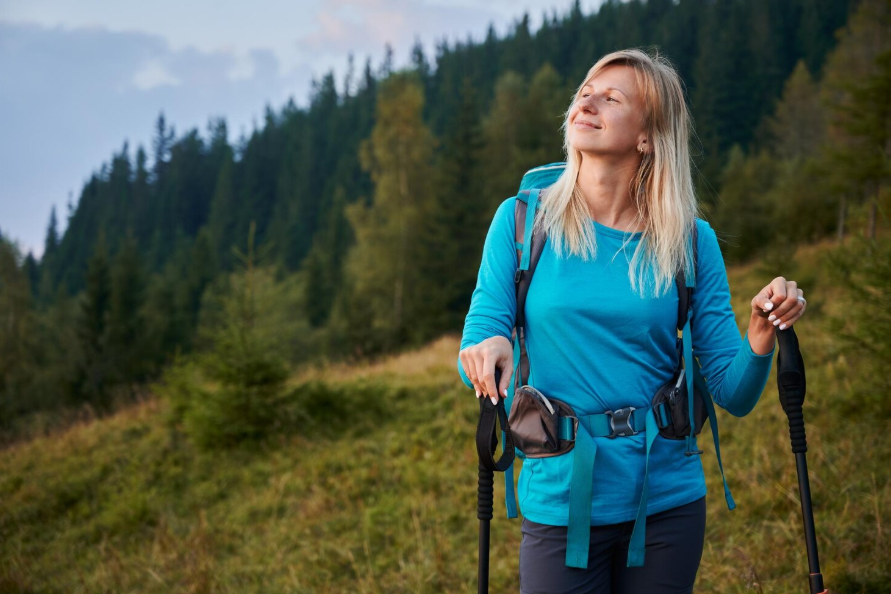
Easy Guide to Navigating the Wild with Confidence

Getting out into the wilderness may prove to be exciting yet intimidating at the same time. However, feeling comfortable while exploring the outdoors does not have to be limited to skilled adventurers. With the use of several tactics, one can learn how to become aware of his or her surroundings while in the field. The following article will discuss five techniques to use while navigating the wilds. These recommendations can be used by hikers regardless of their experience and the duration of the adventure.
Understand Your Environment Before You Go
Preparing well involves taking measures even before one hits the trails. Getting familiar with maps, identifying terrain features, and acquiring knowledge about conditions in the area creates a mental map that minimizes uncertainties in the mind. Weather conditions are another critical factor that should be considered when embarking on such ventures, since unpredictable weather patterns can turn any safe path into a dangerous one within minutes.
Just as essential is the knowledge of flora and fauna. Learning more about plant life, animal prints, and natural landmarks in the area increases familiarity with the terrain, and this makes the identification of the area an easier process.
Master Basic Navigation Skills
Technology makes things easier, but depending only on it may put you at risk. Studying the basics of orienteering will keep you aware, no matter what happens to any device you may carry. Begin by studying maps and understanding contour lines, symbols, and scale. Combine this knowledge with using a compass for finding your direction.
Try estimating distances based on the time and speed of your movement. This technique is very useful when trails become hard to find or visibility is poor. Notice natural landmarks like directions of sunlight or terrain incline that will help you determine your direction. Perfecting this skill does not mean achieving it perfectly; regular training will build intuition in you.
Use Reliable Tools and Gadgets
The proper equipment will improve safety and effectiveness. Having a sturdy compass, fresh maps, and a reliable GPS unit creates an excellent basis. Apart from navigation, having multipurpose tools helps to lighten the load while ensuring readiness for various situations. For example, you might purchase a versatile pocket knife that handles cutting, minor repairs, and food preparation without adding bulk.
Lighting, power sources, and signaling devices help boost confidence levels. Each piece of equipment must have a specific use, as having too many gadgets can create more distractions than aid. It is wise to test the equipment prior to going on a trip to guarantee its performance. Knowing how to operate the equipment makes things easier.
Build Situational Awareness Constantly
Confidence comes through awareness. Be aware of the changes in your surroundings, such as those in weather conditions, textures on the ground, and sound. These small indicators usually point toward bigger events. A change in temperature may signify the arrival of a storm, while changes in the condition of your trail can mean that you have taken the wrong turn.
Stop at intervals to reevaluate where you are. Check your location against the map, and determine whether you are going in the right direction. This practice will help avoid trivial problems from growing into major issues. Do not hurry; it is much more productive to walk slowly but attentively.
See also: Real-Life Applications of Artificial Intelligence
Prepare for the Unexpected
Even a meticulously planned adventure is bound to run into some surprises. It’s important to pack supplies such as additional food, ways to purify water, and a basic first aid kit. Shelters or tents are available for times when you need shelter from bad weather. Preparation should include mental preparation as well as physical preparation. You should remain calm when faced with a problem and look at solutions that can be easily implemented.
It is important to formulate an emergency plan before going on your trip. Inform a friend or relative about your travel route and make an agreement on checking in. Do not allow yourself to be lost in the woods; stop and think about your next move if necessary.
To travel through the wilderness with confidence, one needs to be prepared and knowledgeable. By following the tips above, you build a solid base for all your adventures in the outdoors. Your decisions become more calculated, and each action becomes more intentional. Through time, something that seemed intimidating starts to turn into something full of wonder and control.