Professional IT Asset Disposal Solutions Protecting Data and Environment

In today’s digital age, businesses rely heavily on IT infrastructure to support critical operations, drive innovation, and maintain competitiveness. From servers and laptops to networking equipment and storage devices, organizations accumulate significant volumes of technology assets over time. While these assets enable productivity, they also contain sensitive data and hazardous components that must be handled responsibly at the end of their lifecycle. At E-XPIRE, we provide professional IT asset disposal solutions designed to protect both data and the environment, ensuring secure, compliant, and sustainable technology transitions.
Proper IT asset disposal is no longer just a regulatory requirement; it is a strategic necessity. Organizations that fail to dispose of hardware securely risk data breaches, legal liabilities, and environmental damage. Conversely, companies that adopt comprehensive disposal practices can mitigate security threats, comply with global regulations, and demonstrate a commitment to sustainability.
The Importance of IT Asset Disposal
IT asset disposal encompasses the processes of decommissioning, collecting, and securely disposing of obsolete or surplus technology. The risks associated with improper disposal are significant:
- Data Security Breaches
Even when files appear deleted, residual data can often be recovered from storage devices. Improper disposal exposes sensitive information such as customer data, financial records, intellectual property, and corporate secrets. - Regulatory Non-Compliance
Organizations are increasingly subject to data privacy and environmental regulations, including GDPR, HIPAA, PCI DSS, and local e-waste legislation. Non-compliance can result in substantial fines and reputational damage. - Environmental Risks
Electronic waste contains hazardous materials like lead, mercury, cadmium, and flame retardants. When discarded improperly, these substances can contaminate soil and water, posing health risks and environmental harm.
Professional IT asset disposal solutions address these risks by combining secure data destruction, environmental responsibility, and certified compliance practices. Organizations adopting cloud-native infrastructure should also evaluate the best Kubernetes security platforms in 2026 to strengthen container security and protect critical workloads.
Key Components of Professional IT Asset Disposal
1. Secure Data Destruction
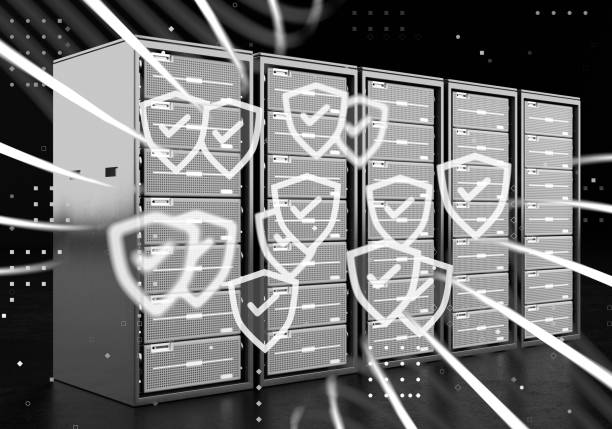
Data security is the cornerstone of responsible IT asset disposal. Professional services ensure that sensitive information is irreversibly destroyed before hardware leaves the organization. Common methods include:
- Certified Data Wiping: Overwriting data multiple times using industry-approved software to prevent recovery.
- Physical Destruction: Shredding, crushing, or degaussing storage devices to render them unusable.
- Certificates of Destruction: Providing documented proof of data destruction for compliance and audit purposes.
These measures protect businesses from potential breaches and reinforce trust with clients and stakeholders.
2. Asset Inventory and Tracking
A detailed inventory of IT assets is essential for secure and efficient disposal. Professional solutions include tracking and documentation of all hardware throughout the disposal process. Key benefits include:
- Maintaining a chain of custody for regulatory compliance
- Minimizing risk of lost or unaccounted devices
- Streamlining reporting for audits and internal governance
Accurate tracking ensures accountability and transparency at every stage of the disposal lifecycle.
3. Environmentally Responsible Recycling
IT assets contain valuable materials such as metals, plastics, and circuit components that can be recovered and reused. At the same time, they contain hazardous substances that must be handled safely. Professional IT asset disposal services prioritize sustainability through:
- Certified E-Waste Recycling: Following environmental regulations to safely process hazardous components.
- Material Recovery: Extracting metals and plastics for reuse in manufacturing, reducing resource consumption.
- Minimizing Landfill Waste: Ensuring obsolete devices do not contribute to environmental pollution.
By incorporating sustainable practices, organizations reduce their environmental footprint and support corporate social responsibility initiatives.
See also: Renewable Energy Technology Explained
4. Compliance with Global Standards
Organizations must navigate complex data protection and environmental regulations across different regions. Professional IT asset disposal providers adhere to international standards, including:
- ISO 27001 for information security management
- R2 and e-Stewards certifications for responsible recycling
- Data protection regulations such as GDPR and HIPAA
Compliance ensures legal protection and reduces risks associated with audits or regulatory scrutiny.
5. Cost Efficiency and Operational Benefits
Outsourcing IT asset disposal to professional providers offers operational and financial advantages:
- Reduces internal IT workload and frees teams to focus on core activities
- Maximizes residual value through refurbishment and resale programs
- Mitigates costs associated with data breaches or regulatory penalties
- Provides predictable disposal expenses through scalable service models
By streamlining the disposal process, organizations can improve operational efficiency while maintaining security and sustainability standards.
Supporting Business Sustainability
Sustainability has become a core priority for modern enterprises. Responsible IT asset disposal directly contributes to environmental stewardship by reducing electronic waste, lowering carbon footprints, and promoting circular economy principles. Businesses that adopt eco-friendly disposal practices enhance their corporate reputation and demonstrate alignment with environmental, social, and governance (ESG) objectives.
Furthermore, refurbished or redeployed IT assets can be reused internally or donated to educational and nonprofit initiatives, creating social value while extending the lifecycle of technology assets.
Best Practices for IT Asset Disposal
To achieve secure and environmentally responsible IT asset disposal, organizations should adopt the following best practices:
- Maintain a Complete Asset Inventory: Track all IT assets from acquisition to end-of-life.
- Implement Certified Data Destruction: Use professional methods to erase or destroy sensitive data.
- Partner with Certified Disposal Providers: Ensure providers adhere to industry standards for security and environmental compliance.
- Document the Disposal Process: Maintain detailed records and certificates for audit and compliance purposes.
- Integrate Sustainability Initiatives: Prioritize recycling, refurbishment, and responsible disposal to reduce environmental impact.
Following these practices minimizes risks and enhances the overall value of IT asset management strategies.
Conclusion
Professional IT asset disposal is a critical component of modern enterprise IT management. By combining secure data destruction, environmentally responsible recycling, and regulatory compliance, businesses can protect sensitive information, reduce environmental impact, and optimize operational efficiency.
At E-XPIRE, we provide comprehensive IT asset disposal solutions that safeguard both your data and the environment. Our services are designed to ensure secure, compliant, and sustainable handling of IT hardware throughout its lifecycle. Whether your organization is retiring legacy systems, upgrading infrastructure, or managing hardware refresh cycles, E-XPIRE delivers peace of mind through end-to-end asset disposal solutions.
If your organization is seeking reliable IT asset disposal services that prioritize security, compliance, and sustainability, contact us to learn how E-XPIRE can help protect your data and the environment while maximizing the value of your IT assets.