Digital Out-of-Home: How Brands Turn Public Spaces Into Smart Media Experiences

Digital out-of-home advertising is changing how brands communicate in public spaces. Instead of relying on static posters that stay unchanged for weeks, businesses can use screens to deliver timely, location-aware, and visually engaging messages. For a clear view of how digital out-of-home campaigns fit into today’s outdoor advertising landscape, it helps to understand both the technology and the strategy behind them.
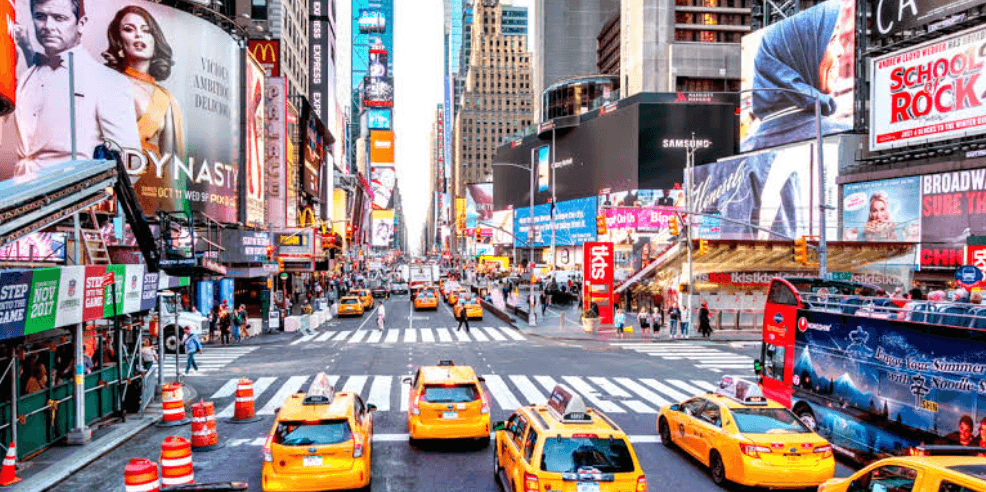
People now move through busy environments filled with digital touchpoints: shopping centers, transit stations, airports, office buildings, highways, and entertainment venues. A well-planned digital display can reach them during real-life moments, when they are traveling, shopping, waiting, or deciding where to go next. That makes digital out-of-home, often called DOOH, a valuable channel for building awareness and supporting local action.
What Is Digital Out-of-Home Advertising?
Digital out-of-home advertising refers to promotional content shown on digital screens in public or shared spaces. These screens may include roadside billboards, retail displays, digital kiosks, elevator screens, transit displays, or video walls.
The main difference between traditional outdoor advertising and DOOH is flexibility. A printed billboard needs to be physically replaced when the message changes. A digital billboard can display a new creative within minutes, depending on the campaign setup. Brands can also schedule different messages by time of day, day of the week, audience pattern, or local event.
For example, a coffee shop may promote breakfast offers near a commuter station from 6:30 a.m. to 10:00 a.m. Later in the day, the same screen can promote iced drinks or afternoon snacks. A fitness studio could display a class offer near offices shortly before the workday ends. These messages feel more relevant because they match the audience’s immediate situation.
DOOH does not replace every other marketing channel. It works best when it supports a wider campaign that includes social media, search, local listings, email, or an optimized website. The outdoor screen creates attention, while other channels help people take the next step.
A Step-by-Step Strategy for Effective DOOH Campaigns
Strong outdoor campaigns begin with a business goal, not a screen location. Before selecting formats or designing creative, define what the campaign should accomplish.
1. Choose One Clear Objective
Your objective could be brand awareness, foot traffic, event attendance, product launches, app downloads, or local sales. Avoid trying to achieve everything in a single campaign.
A new restaurant, for instance, may want nearby residents to know it has opened. A retail brand may want to promote a short seasonal sale. An insurance company may focus on building familiarity in a particular region. Each objective requires a different message, call to action, and measurement plan.
2. Match the Location to the Audience
The most expensive screen is not automatically the most useful one. Think about who will see it, how long they will have to view it, and what they are likely doing at that moment.
Highway billboards are useful for broad reach and simple brand messages because drivers only have a few seconds to look. Screens in malls, waiting areas, and transit hubs can support slightly more detailed messaging because people have more viewing time. Digital displays near retail locations are especially helpful when the goal is to influence a nearby purchase.
A practical example is a home improvement store promoting weekend discounts on screens close to residential areas. The message is more likely to be useful than a general advertisement placed far from the store’s customer base.
3. Create for Fast Understanding
Outdoor creative should be understood almost instantly. Many advertisers make the mistake of treating a billboard like a brochure. Small text, multiple product images, long descriptions, and several calls to action usually reduce impact.
Use one main idea. Keep the headline short, make the brand easy to recognize, and ensure the offer or message is visible from a distance. If the campaign includes a QR code, it should be large enough to scan easily and should lead to a mobile-friendly landing page.
A good rule is to ask: Can someone understand this message in three to five seconds? If not, simplify it. A short line such as “Fresh Lunches, Two Blocks Away” may work better than a paragraph about menu choices, ingredients, and opening hours.
4. Use Timely Content When It Adds Value
One of DOOH’s strongest advantages is the ability to change content. Use that ability with purpose rather than changing creative simply because the technology allows it.
Weather-based messaging is a common example. A delivery service can feature hot meals on cold days or cold drinks during warm weather. Sports retailers can promote rain jackets when rain is expected. Event organizers can update screens with countdowns, venue details, or last-minute reminders.
Timing can also be practical. A movie theater may advertise evening showtimes after work hours. A grocery store could promote ready-made dinner options during the evening commute. The message should feel useful, not intrusive.
Common Mistakes and Challenges
The biggest challenge in digital out-of-home is often not the screen itself; it is poor planning. A visually impressive display cannot rescue an unclear message or a campaign aimed at the wrong audience.
One common mistake is overcrowding the creative. Brands sometimes try to include their logo, slogan, product list, social handles, phone number, website, promotion details, and legal text on one screen. This creates visual noise. Prioritize what the viewer must remember.
Another mistake is using the same creative everywhere without considering context. A message that works in a shopping mall may not work on a highway. Screen size, viewing distance, dwell time, lighting conditions, and audience behavior all affect design decisions.
Measurement can also be challenging. Unlike a website click, an outdoor impression is not always directly traceable to a sale. However, advertisers can still evaluate performance by reviewing reach estimates, store visits, branded search growth, coupon use, QR code scans, sales changes in targeted areas, and customer surveys.
Practical Recommendations From the Field
Start small when testing a new DOOH approach. Choose one market, a limited number of locations, and one campaign objective. This makes it easier to identify what is working before expanding the budget.
Build creative variations instead of relying on one design. You might test different headlines, colors, offers, or calls to action while keeping the core message consistent. A local dental practice, for example, could test “Same-Week Appointments” against “New Patient Checkup Offers” to see which message generates more appointment inquiries.
Coordinate the campaign with your online presence. If people see an outdoor ad and search for your brand, they should find a relevant page quickly. Check that business hours, location details, offers, and mobile performance are accurate before the campaign goes live.
For businesses that want to assess whether their website is ready to support outdoor visibility, AudEsto can be useful for reviewing a site or landing page and creating a downloadable audit report. Technical issues, slow mobile pages, and unclear calls to action can limit the results of even a strong awareness campaign.
See also: Comprehensive Guide to Business Loans in Sydney
Conclusion
Digital out-of-home advertising brings the flexibility of digital media into the physical world. Its real strength lies in pairing the right message with the right place and moment. Keep the creative simple, choose locations based on audience behavior, use timely content carefully, and connect the campaign to a strong online experience. When these pieces work together, DOOH can make public attention more measurable, relevant, and valuable.