Why Switch Gear Products Are Essential for Safe and Reliable Power Distribution

Electrical power systems depend on reliable equipment to ensure safe energy distribution, minimize downtime, and protect valuable assets. From industrial plants and commercial buildings to utility substations, properly designed switching equipment plays a vital role in maintaining uninterrupted operations. Modern electrical infrastructure demands solutions that offer safety, efficiency, and long-term performance while meeting strict industry standards.
Selecting the right switch gear products is one of the most important decisions for engineers, facility managers, and electrical contractors. These products are designed to control, isolate, and protect electrical circuits from faults, ensuring both equipment and personnel remain safe. Understanding their features, applications, and maintenance requirements helps organizations improve system reliability and operational efficiency.
Understanding the Role of Switchgear
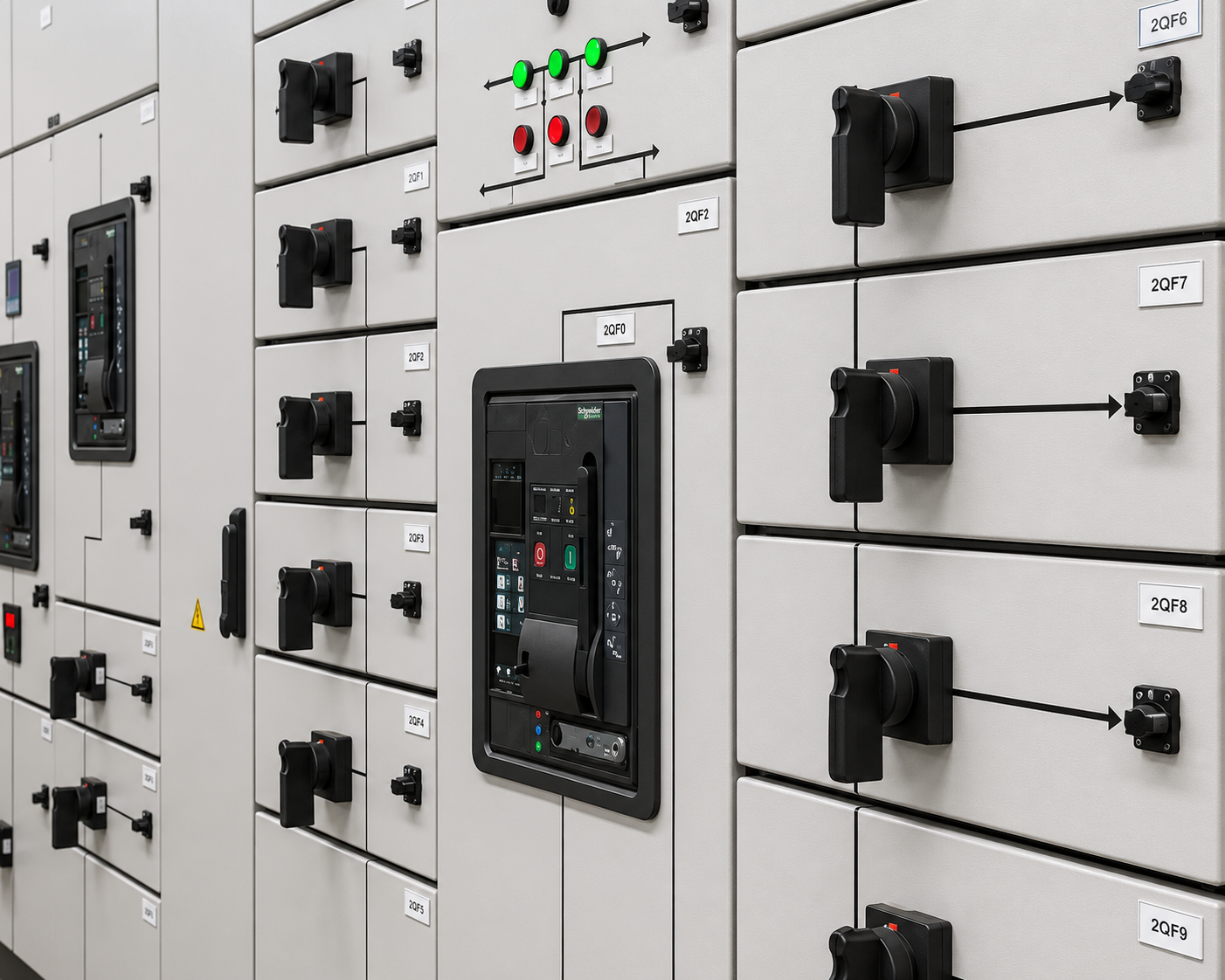
Switchgear is a collection of electrical devices that control, protect, and isolate electrical equipment within a power distribution network. It includes circuit breakers, disconnect switches, relays, fuses, control panels, and monitoring devices that work together to safeguard electrical systems.
The primary objectives of switchgear include:
- Protecting equipment from electrical faults
- Isolating damaged circuits
- Preventing equipment failures
- Improving operational safety
- Ensuring continuous power supply
- Supporting efficient maintenance activities
Without properly designed switchgear, even minor electrical issues can escalate into costly equipment damage or extended production downtime.
Why Quality Matters in Modern Power Systems
Electrical systems today are more complex than ever before. Manufacturing plants, hospitals, data centers, renewable energy facilities, and commercial buildings all rely on uninterrupted power to operate efficiently.
High-quality switchgear provides several advantages:
Improved System Protection
Reliable protection devices quickly detect abnormal electrical conditions and disconnect faulty circuits before serious damage occurs.
Increased Operational Safety
Modern switchgear minimizes exposure to energized components, reducing risks for maintenance personnel and operators.
Better Equipment Reliability
Well-designed systems reduce unnecessary interruptions while extending the life of transformers, motors, generators, and distribution equipment.
Higher Energy Efficiency
Advanced monitoring capabilities help identify power quality issues and optimize system performance.
These benefits contribute directly to lower operating costs and greater business continuity.
Different Types of Switchgear Used Across Industries
Electrical distribution systems require different types of switchgear depending on voltage levels, application, and installation environment.
Low Voltage Switchgear
Typically used below 1,000 volts, this equipment serves commercial buildings, manufacturing facilities, and residential developments.
Common applications include:
- Building distribution panels
- Motor control centers
- Commercial electrical rooms
- Industrial production facilities
Medium Voltage Solutions
Facilities operating between 1kV and 36kV often require specialized equipment capable of handling higher electrical loads while maintaining superior protection.
One widely used solution is medium voltage gas insulated switchgear, which offers compact design, high reliability, and excellent protection against environmental contaminants. These systems are especially valuable where installation space is limited.
High Voltage Switchgear
High voltage installations are commonly found in:
- Utility substations
- Transmission networks
- Large industrial plants
- Renewable energy facilities
These systems manage extremely high electrical loads while ensuring network stability.
Applications Across Multiple Industries
Switchgear supports a wide variety of industries where electrical reliability is critical.
Manufacturing Plants
Production facilities depend on stable electrical systems to operate automated machinery, robotics, conveyors, and process equipment.
Reliable switching equipment helps prevent unexpected shutdowns that can interrupt production schedules.
Commercial Buildings
Office towers, shopping centers, airports, and hospitals require dependable power distribution to support lighting, HVAC systems, elevators, and emergency equipment.
Renewable Energy
Solar farms and wind power installations use switchgear to safely connect renewable generation to the electrical grid while protecting valuable assets.
Utilities
Electric utility companies rely on switchgear to control substations, isolate faults, and maintain consistent service across transmission and distribution networks.
Key Features to Consider Before Selection
Choosing the right switchgear requires evaluating several important factors.
Safety Standards
Equipment should comply with recognized electrical safety standards and include features such as arc-resistant construction and reliable fault interruption.
Scalability
Growing facilities benefit from systems that allow future expansion without major redesigns.
Environmental Protection
Installations located in harsh environments require equipment designed to resist dust, moisture, corrosion, and extreme temperatures.
Monitoring Capabilities
Modern digital monitoring allows operators to track equipment performance, identify developing issues, and schedule maintenance before failures occur.
The Importance of Regular Maintenance
Even the highest-quality electrical equipment requires ongoing inspection and servicing to maintain dependable operation.
Routine switchgear maintenance helps organizations:
- Detect worn components
- Prevent unexpected failures
- Improve equipment lifespan
- Maintain electrical safety
- Reduce emergency repair costs
- Increase operational reliability
Preventive maintenance programs often include visual inspections, insulation testing, thermal imaging, relay testing, lubrication, cleaning, and calibration.
Facilities that prioritize scheduled maintenance typically experience fewer outages and lower lifetime ownership costs.
Advancements in Modern Switchgear Technology
Electrical distribution continues evolving alongside digital technology.
Today’s switchgear systems often include:
- Remote monitoring
- Intelligent protective relays
- Predictive diagnostics
- Digital communication protocols
- Automated fault detection
- Real-time performance monitoring
These innovations help maintenance teams make informed decisions while reducing manual inspections and improving response times.
Smart electrical infrastructure also supports energy management initiatives by providing valuable operational data.
Selecting the Right Equipment for Your Facility
Every electrical installation has unique operating conditions.
When selecting switchgear, organizations should evaluate:
- Voltage requirements
- Available installation space
- Environmental conditions
- Short-circuit ratings
- Future expansion plans
- Maintenance accessibility
- Industry compliance requirements
Working with experienced electrical professionals ensures the selected solution matches both present and future operational needs.
Proper engineering during the planning stage reduces long-term operational risks while improving system efficiency.
Common Challenges Without Proper Switchgear
Using outdated or improperly specified equipment can create numerous operational problems.
Potential issues include:
- Frequent power interruptions
- Equipment damage
- Increased maintenance costs
- Reduced worker safety
- Lower production efficiency
- Higher energy losses
- Unexpected downtime
Modern switchgear significantly reduces these risks by providing dependable protection and control throughout the electrical network.
Supporting Reliable Electrical Infrastructure
Reliable electrical distribution depends on carefully engineered equipment working together as a complete protection system. Today’s organizations demand greater efficiency, improved safety, and higher operational reliability than ever before.
Advanced switch gear systems help facilities meet these expectations by integrating protection, monitoring, and control into a unified electrical solution. Whether supporting industrial manufacturing, commercial buildings, renewable energy, or utility networks, modern switchgear continues to play a central role in dependable power distribution.
As electrical demands continue growing, investing in high-quality equipment becomes an essential part of long-term infrastructure planning.
Conclusion
Modern electrical networks require dependable protection, efficient operation, and long-term reliability to support today’s demanding applications. Choosing the right switch gear products helps organizations improve safety, reduce downtime, protect valuable assets, and ensure uninterrupted power distribution. Combined with proper system design, routine maintenance, and evolving technology, quality switchgear remains one of the most valuable investments for any electrical infrastructure, delivering dependable performance for years to come.
Additionally, advanced solutions such as metal enclosed switchgear continue to provide enhanced protection, compact installation, and dependable operation for a wide range of industrial and commercial applications.