What Do Industrial Sweeping Services Include

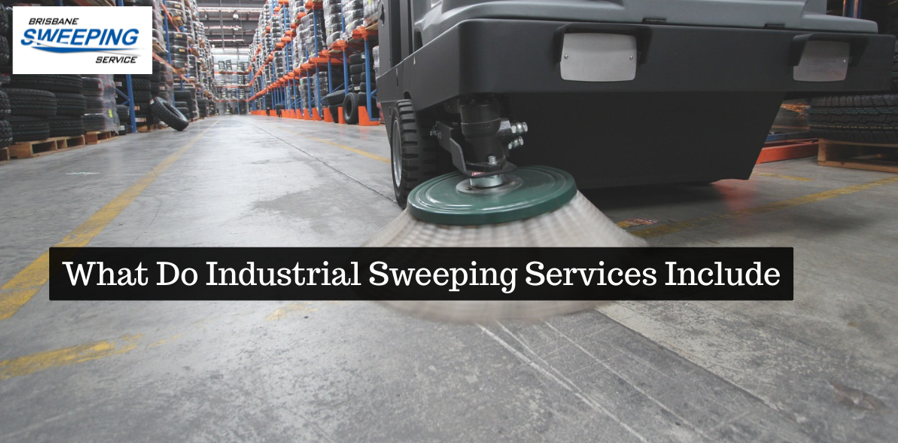
Industrial sweeping services cover floor cleaning with ride-on or walk-behind sweepers, debris removal, and dust control across warehouses and factories. Unfortunately, most companies focus on the main floor areas, but facilities still end up with dirt piling up around pallet racking, wall edges, and tight corners. We, Brisbane Sweeping, go further with off-machine cleaning for those hard-to-reach spots that standard equipment misses.
If you want to keep your facility compliant and actually clean (not just swept down the middle), you should understand what’s included in professional industrial sweeping. In this article, you’ll learn about equipment types, service frequency, and what separates basic floor maintenance from thorough commercial cleaning.
Stay with us until the end to discover how different sweeping programs work for various facility types and contamination levels. First, we’ll discuss what’s actually included when you hire industrial sweeping services and what equipment handles different cleaning jobs.
What’s Included in Industrial Sweeping Services?
Industrial sweeping services cover scheduled floor cleaning, debris removal, dust suppression, and equipment operation across different surface types. Here’s the thing… most facility managers don’t know how much goes into a proper sweep until they compare a basic job against thorough cleaning. So what are you getting for your money?
- Floor sweeping and debris collection: This removes loose debris, dust, and small particles from concrete, epoxy, and sealed surfaces before they cause problems. Cardboard scraps, metal shavings, aggregate, and dirt all get picked up during each sweep. When these materials sit on your floors, they grind into the surface with every forklift pass. Over time, that creates permanent damage and costly repairs.
- Dust suppression during cleaning: Sweeping kicks up dust if you’re not careful about it. That’s where suppression techniques come in (something most facilities overlook until inspection time). Water misting or enclosed vacuum systems keep particles from going airborne while operators clean. Warehouses with high forklift traffic or fine materials benefit the most, since constant movement stirs up everything sitting on the floor.
- Equipment matched to your space: Smaller warehouses around 5,000 square metres work well with walk-behind sweepers that fit through tight aisles and around racking. However, larger facilities over 20,000 square metres need ride-on units to cover ground efficiently without taking all day. Good commercial sweeping companies assess your Brisbane or Gold Coast facility first, then bring equipment that suits your layout instead of forcing a standard setup.
Getting industrial sweeping services sorted means knowing what’s included versus what gets skipped. The companies worth hiring make sure every part of the job gets done right, not just the easy middle sections.
Floor Sweepers vs. Scrubbers: What’s the Difference?
Some facilities get by with just sweeping, while others need scrubbing machines too. Sweepers handle dry debris like dust, dirt, and loose materials, while scrubbers use water and chemicals for stuck-on grime and oil stains.
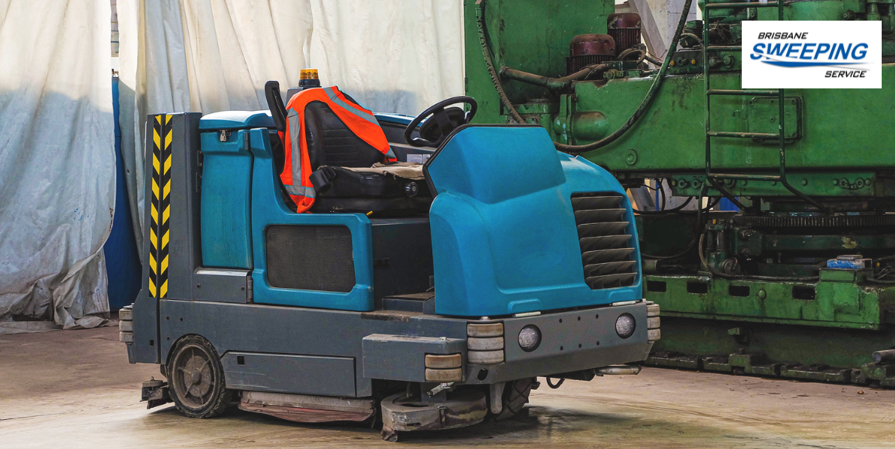
Knowing which equipment hits the nail on the head saves money and prevents wasting water on floors that just need a good sweep.
Ride-On Sweepers for Large Spaces
Now, let’s look at ride-on units. These cover large warehouses efficiently with operators seated instead of walking behind the machine. They work best for spaces over 20,000 square metres where you need to clean quickly without exhausting your team. Battery-powered models run indoors without fumes, keeping air quality safe for workers. Meanwhile, diesel versions suit outdoor hardstand areas where ventilation isn’t an issue, and you need extra power for tougher debris.
Walk-Behind Units for Tight Areas
In practice, walk-behind sweepers fit into narrow aisles, loading docks, and congested production areas where ride-on equipment can’t maneuver. The compact design lets operators clean around racking systems, machinery, and parked forklifts without moving everything first. You’ll see these in smaller warehouses under 10,000 square metres or specific zones of larger facilities where space gets tight.
When You Need Both
Here’s what we’ve learned after working with hundreds of Brisbane warehouses: facilities over 10,000 square metres benefit from having both sweeper types available. Main warehouse floors get ride-on treatment for efficient coverage, while amenities, offices, and tight spaces need walk-behind attention. This way, you cut cleaning time in half and ensure nothing gets missed because the equipment can’t reach it.
Hardstand and Outdoor Area Cleaning
The best thing about regular hardstand cleaning is that it stops mud and contamination from being tracked into your clean warehouse. Hardstand sweeping removes aggregate, mud, and oil buildup from concrete and asphalt surfaces outside your facility (and it tracks straight into your clean warehouse within minutes). When trucks and forklifts roll through loading bays, they pick up whatever’s sitting on those outdoor surfaces.
However, regular outdoor site cleaning prevents contamination from reaching your production areas. It also keeps your facility looking professional for clients and suppliers visiting your Brisbane or Gold Coast location. That’s the reason most warehouses schedule outdoor sweeping separately from indoor jobs.
We believe the perimeter is often neglected because it’s out of sight. Services cover car park sweeping, loading bay maintenance, and perimeter cleaning around building exteriors where debris piles up. Plus, maintaining these areas reduces the workload on your indoor team since they’re not constantly battling dirt that shouldn’t be there.
See also: Precision Agriculture Technology Explained
Warehouse Floor Maintenance Programs
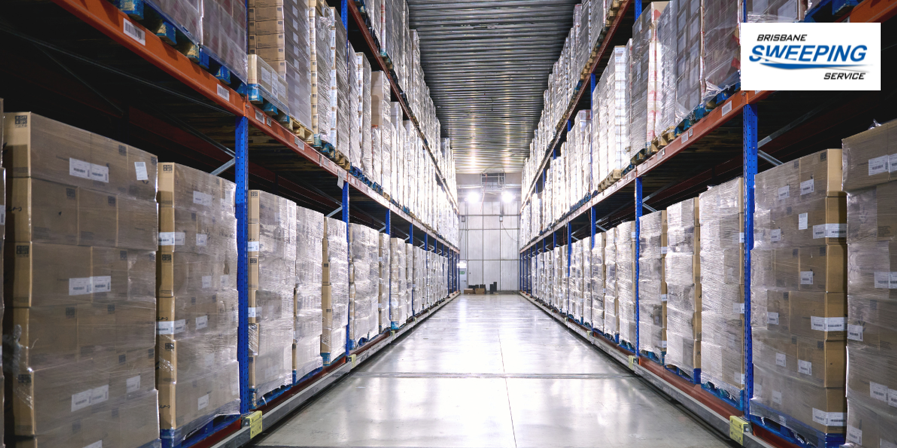
Warehouse maintenance programs involve scheduled sweeping visits that prevent dust buildup and keep floors safe for forklifts and foot traffic. Now here’s where it gets tricky… deciding how often your facility needs cleaning depends on more factors than most managers realise.
- Preventing long-term damage: Scheduled sweeping programs stop dust accumulation that damages inventory, machinery, and creates slip hazards down the track. When dust sits on floors for days, it gets ground into the concrete by forklift wheels and foot traffic. That wears down your surface faster and leads to costly resurfacing jobs years earlier than necessary.
- Matching frequency to your operations: Frequency depends on traffic volume, product type, and whether your operations involve dusty materials or outdoor access. High-traffic warehouses moving hundreds of pallets daily need attention more often than low-activity storage facilities. On top of that, if you’ve got loading docks opening to the outside, you’re bringing in dirt constantly.
- Setting up realistic schedules: Programs include daily, weekly, or monthly visits (sounds tedious, we know) with equipment matched to your specific requirements. Food production and pharmaceutical facilities require multiple sweeps per day to maintain strict hygiene standards. In contrast, general storage warehouses in Brisbane manage fine with weekly or fortnightly cleaning depending on what they’re storing.
- Working with your business needs: Good sweeping companies understand your operational hours and work around them. That means scheduling visits during off-peak times or after hours, so your team isn’t dodging cleaning equipment all day. Flexible scheduling makes the difference between a program that works and one that creates more problems than it solves.
Getting the right warehouse maintenance program sorted saves you money and headaches in the long run. The key is finding a company that adapts to your needs rather than forcing you into their standard schedule.
Construction Site Sweeping: Keeping Sites Compliant
Construction sites generate more dust and debris in a day than most warehouses see in a month. Construction sweeping removes concrete dust, timber offcuts, and metal shavings that create safety hazards on-site. These materials pile up fast and become trip hazards that make it harder for trades to work safely.
Beyond that, regular cleaning meets WorkSafe Queensland requirements for maintaining clean walkways and keeping dust under control (which happens more often than most site managers expect).
Services coordinate with build schedules to clean during off-hours without disrupting trades or delaying timelines. This way, teams get clean workspaces each morning without yesterday’s debris becoming today’s safety issue.
Industrial Sweeping Services Gold Coast Businesses Actually Use
Gold Coast warehouses deal with different dirt compared to Brisbane facilities, and it comes down to humidity and location. After years of working with Gold Coast facilities, we’ve seen how summer storms dump mud everywhere, then the heat bakes it into concrete within hours. That’s a pain to remove once it’s dried and set.
Facilities from Yatala to Arundel handle everything from manufacturing dust to pollen that blows in during spring. The subtropical climate means moisture affects how debris sticks to floors, so sweeping equipment needs different settings compared to drier inland warehouses.
Commercial sweeping services covering the Gold Coast adjust their approach based on what the weather’s been doing lately, not just what’s written in a manual.
How Often Should Industrial Spaces Get Swept?
Now that you know what equipment handles different cleaning jobs, let’s talk about how often your warehouse facility actually needs sweeping (not the most exciting decision you’ll make this quarter). Fair warning, though… getting the frequency wrong costs more down the track than the sweeping services themselves.
- Busy warehouses and distribution centres: If you’re running high-traffic warehouses in Brisbane or Ipswich, moving hundreds of pallets daily, you’ll need industrial sweeping every day or every second day. Dust and debris pile up fast when forklifts and machinery are constantly moving materials around. The required frequency depends on your type of operation, forklift activity, and whether loading docks bring dirt in from outside areas.
- Quieter storage facilities: Frankly, low-activity storage warehouses storing sealed products can work with weekly or fortnightly cleaning schedules. Less movement means debris doesn’t build up as quickly, so you’re not paying for daily sweeping services when your facility doesn’t require them.
- Food production and pharmaceutical sites: These commercial facilities need multiple daily sweeps to ensure strict hygiene and meet compliance standards. Contamination risks mean industrial floor sweepers work between shifts to remove any dust or materials that could compromise product safety.
Understanding your business type and what you’re dealing with helps you offer the right cleaning schedule. The team you hire should guarantee appropriate visit frequency without making you waste your budget on unnecessary work.
Ready to Sort Your Industrial Cleaning?
Getting industrial sweeping services sorted for your Brisbane, Gold Coast, or Ipswich facility means working with operators who understand your specific requirements. Brisbane Sweeping offers commercial cleaning with licensed and insured team members who deliver reliable warehouse sweeping across Queensland.
We visit your site to assess equipment needs, cleaning frequency, and how to work around your business hours. Our operators ensure you get the right services without wasting your budget on unnecessary visits.
Contact our team today at 0423 585 333 or email quotes@brisbanesweeping.com.au to discuss your facility needs. We guarantee obligation-free quotes and happy customers across all areas we service.