Renewable Energy Technology Explained

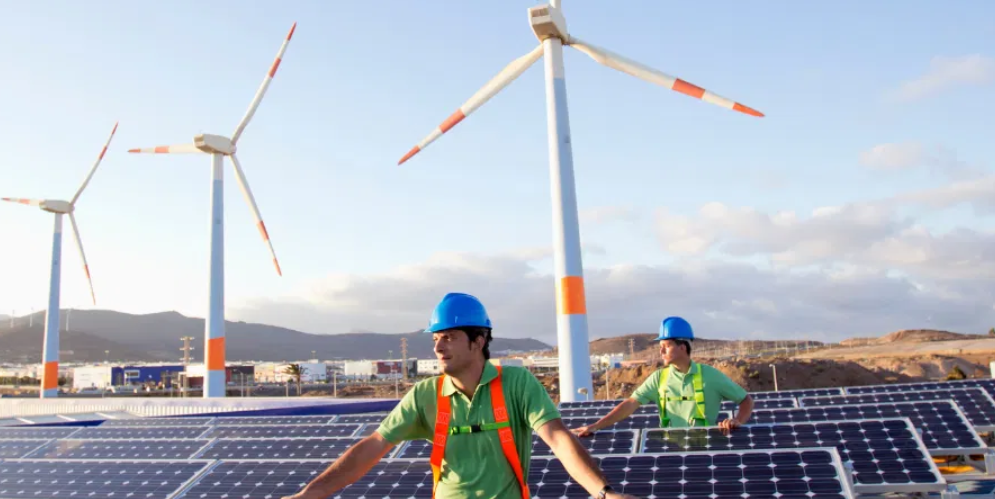
Renewable energy technology represents a critical advancement in power generation. It leverages natural resources such as sunlight and wind to produce electricity. Solar panels and wind turbines exemplify this innovation, each employing distinct mechanisms to harness energy. Their implementation not only enhances energy independence but also mitigates environmental impacts. Exploring the intricacies of these technologies reveals their potential to shape a sustainable future, raising questions about their broader implications for society and the economy.
Why Renewable Energy Is Essential for a Sustainable Future
As global challenges such as climate change and resource depletion intensify, the transition to renewable energy emerges as a crucial strategy for achieving a sustainable future.
By fostering energy independence, nations can mitigate the impacts of climate change while reducing reliance on finite resources.
This paradigm shift not only empowers communities but also ensures a resilient energy infrastructure, paving the way for innovative solutions and sustainable development.
Understanding How Renewable Energy Technologies Generate Power
While various renewable energy technologies harness natural phenomena to generate power, each method operates on distinct principles that convert energy from renewable sources into usable electricity.
Solar panels utilize photovoltaic cells to transform sunlight into direct current, while wind turbines convert kinetic energy from wind into mechanical energy, generating electricity through a connected generator.
These technologies exemplify innovation in harnessing natural forces for energy independence.
See also: Real-Life Applications of Artificial Intelligence
Key Advantages of Renewable Energy for the Environment and Economy
The deployment of renewable energy technologies not only enhances energy independence but also offers significant environmental and economic advantages.
By reducing the carbon footprint, these technologies mitigate climate change impacts while fostering sustainable economic growth.
Transitioning to renewables stimulates job creation and innovation, empowering communities and promoting self-sufficiency.
Ultimately, renewable energy represents a crucial step towards a resilient and liberated future.
Real-World Applications of Renewable Energy Technologies
Renewable energy technologies are increasingly integrated into various sectors, demonstrating their versatility and effectiveness across different applications.
Solar farms harness sunlight to generate electricity, providing sustainable power for communities, while wind turbines convert kinetic energy into electrical energy, contributing to grid stability.
These technologies not only reduce carbon footprints but also empower individuals and businesses to pursue energy independence and innovation in a rapidly evolving energy landscape.
Conclusion
In the intricate tapestry of energy solutions, renewable technologies emerge as vibrant threads woven through the fabric of sustainability. Like sunlight piercing through clouds, they illuminate pathways toward a cleaner future, while wind turbines stand as sentinels of resilience against climate change. By embracing these innovative systems, society cultivates a garden where environmental stewardship and economic growth flourish in harmony, symbolizing a collective commitment to nurturing the planet for generations yet to come.